
Privacy, Samsung raises the shield, Apple defends the model. The challenge is over data
In 2026, the challenge between Apple and Samsung shifts from power to data protection. Samsung introduces a hardware shield in the display, while Apple reinforces its historic privacy strategy.

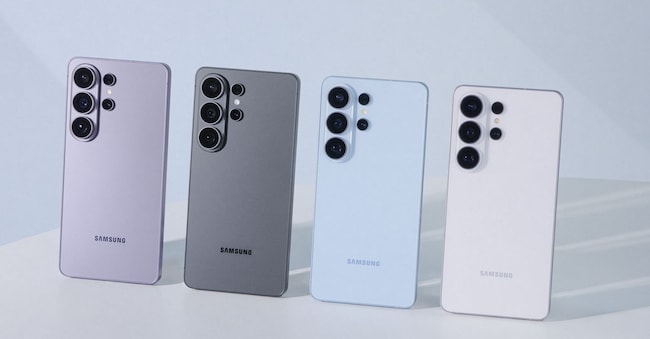
Even 2026 will not be an easy year for those selling mobile phones. Against this backdrop, Samsung is playing it by ear. And tries the coup de theatre. The miracle, however, is not in the gigahertz. It is in privacy. And in the artificial intelligence that moves from the cloud to the phone. The most interesting aspect is the first, for two reasons. The first is that we are entering the era of universal assistants, software that will know everything about us. The second reason is that the end of privacy has been discussed since the advent of the first web-connected devices. Yet users have always shown that they do not want to give up control of their data without consent. In Europe, also thanks to the decision to regulate Big Tech's access to our data well, we have moved in this direction. But let us go in order and try to better understand Samsung's innovation.
The jewel in the crown is the new Privacy Display. Or rather: a digital shield integrated into the panel. Not a film. Not a software filter. Pure hardware. We tested it during a closed presentation. The idea is simple. If the light is a lighthouse, just direct it. Samsung switches off the pixels diffusing sideways. The light travels vertically. Result: whoever looks frontally sees everything. Those sitting next to it see black.
The function activates itself but can be customised according to the app and the data. Open the bank app? The shield switches on. Enter a PIN? Screen dimmed. Pop-up notification? Obscures only that portion. Without dimming. Without the 'sunglasses' effect. It's not a wow effect, but in an age where the smartphone is the identity card, wallet, clinical diary and family album, privacy becomes a physical layer. No longer just a software promise.
For Apple, privacy has never been a last-minute feature. But a conscious choice of field. IPhones have dedicated components that isolate sensitive information. Security here is not just software but physical. Apple has turned privacy into a competitive advantage. We remember the protests when it introduced App Tracking Transparency (the famous pop-up asking if you want to be tracked) in 2021, because it directly affected the advertising economy of Meta and many apps. It wasn't just user protection. It was also market positioning. Apple realised before others that trust is an economic currency.
Clearly, the issue is complex: Apple's delay on artificial intelligence is also linked to the difficulty of protecting the prompts sent by iPhones. Defending privacy requires a lot of hardware power and advanced architectures. Apple's challenge, however, is to prove that in digital capitalism there can be a model where the user is not the product. It is still an ongoing historical experiment.


