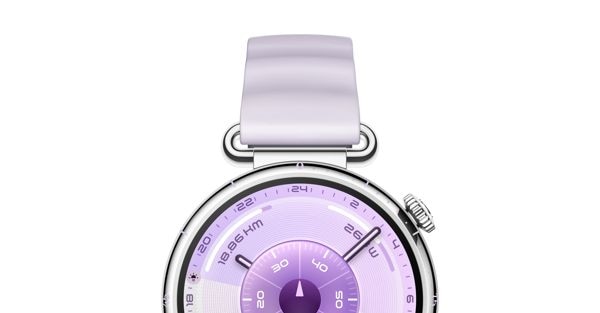
Huawei pushes hard on wearables with the Watch GT 6
Physical and emotional health for a healthier lifestyle

3' min read
3' min read
It is no longer enough to present new hi-tech products. What is needed is a vision, preferably seasoned with a dash of artificial intelligence, to give a sense of vibrancy to a sector, that of consumer technology, which often has little to say. Huawei, having now freed itself of the need to make sense outside the Google ecosystem, from which it was ousted years ago after US decisions, has now assumed its own role in the world of wearables.
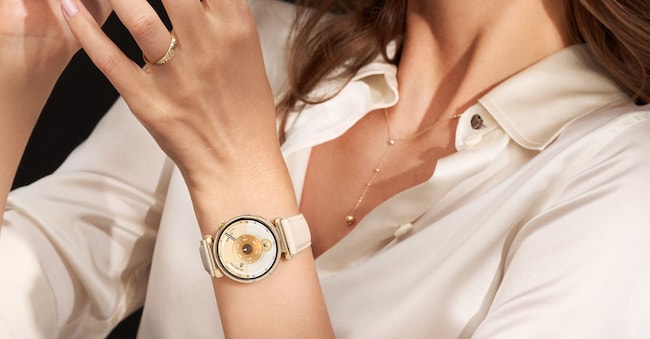
It is no coincidence that the Chinese-born company with an international footprint has a 20.2 per cent share of the global 'wearable' market in Q2 2025. This is the starting point for the new Watch 6 GT range. The point is to give consumers a product that sits somewhere between a classic, traditional watch and a more modern technology powerhouse. The latter is, paradoxically, easier to achieve, given Huawei's know-how in the field. With the former, the company has tried to work in the details, endowing the smartwatch with sharper but at the same time elegant contours, enhancing the premium watch feel, compared to the previous generation. You may or may not like the result, but it is still an element of distinction amidst the dominance of a few Western brands.

On the technological side, there is a substantial upgrade of hardware and functions, some of them very unique and mostly aimed at sportsmen and women. One example is virtual pedalling power in cycling, a parameter normally delegated to specific instruments, and shot improvement for golfers. Not that the basic training is neglected, on the contrary, an indication that from that point of view Huawei has reached what, at least for the moment, is its perceived higher standard, being able to focus on a few pluses.
Monitoring emotional state
.Nor can we leave out the battery discourse: in a world that requires us to charge smartwatches at least every two days, Huawei pulls yet another piece of hardware out of the hat that is capable of going for dozens of days. The company speaks of 21 days for the Pro model, but it is more plausible that the actual autonomy will be around two weeks, which is still a plus. But it should be emphasised that the watch not only provides data on physical condition, but also a concrete support for monitoring and improving emotional state, adapting to personal needs. Here, too, there is an additional sense in using such a gadget: while modern life is often characterised by hectic rhythms and a level of stress that can adversely affect health parameters, those with a more relaxed approach to wellness might not realise the hidden risks associated with an irregular lifestyle and little physical activity.
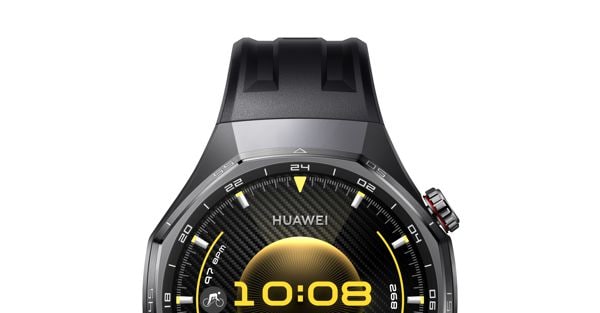
The revamped Health Insights function then shows a personalised and comprehensive health analysis, with a wide range of data covering aspects such as emotions, workout, daily well-being and sleep quality. Using proprietary algorithms, the app analyses this information to identify key trends and provide a clear and intuitive picture of changes in fitness. Through real-time reminders and advice, people can develop healthier and more lasting habits. One example is the system for assessing parameters and monitoring sleep apnoea to improve the quality of sleep. Lots of improvements inside and out, starting at 249 euros, a fraction of the price compared to the more emblazoned brands.