

If the biopsy report is delayed: how long should a patient wait?
The association for citizen participation and protection answers questions about rights and access to health services.

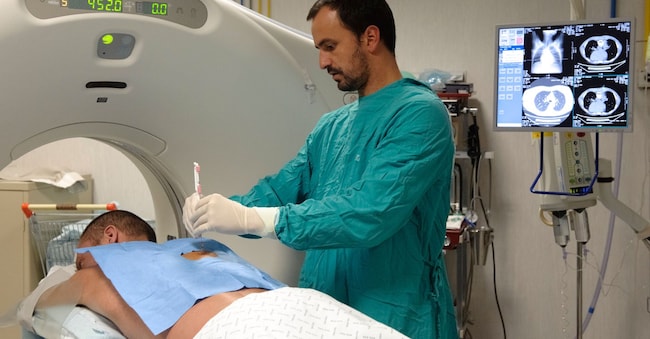
Over a month ago I underwent a biopsy for a suspected lump, a crucial examination to decide whether to proceed with surgery or specific treatment. Despite initial reassurances, the histological report is still not ready. From the pathological anatomy secretariat they reply that they are 'behind with the readings' due to a shortage of staff. Is it permissible for a citizen to live in anguish for weeks, knowing that in the case of a malignant pathology, every day is precious? Are there maximum times set by law? Maria C., Lazio
This is one of the most painful issues we receive in our column, because it combines two fragilities that should instead be kept separate: the wait for a life-changing diagnosis and the structural shortage of staff in pathology services. The principle to start from is clear: the right to timely diagnosis is a pillar of the right to health, and a delay in reporting is, in fact, a delay in treatment.
While for bookings of examinations and instrumental examinations the reference are the priority codes (U, B, D, P) of the National Plan for Waiting List Management, for the delivery of pathological anatomy reports - biopsies, cytological examinations, surgical pieces - the standards are defined by the National Guidelines and the Service Charters of the individual health authorities. For a histological examination with oncological suspicion, the standard for a comprehensive response is on average between 7 and 15 working days. Exceeding the one-month waiting time, especially when the clinical suspicion requires an immediate start of treatment, is a time that cannot be considered physiological.
The shortage of medical personnel in Italian pathological anatomies is a known and documented reality, but the organisational inefficiencies of the system cannot fall on the patient. Healthcare facilities have a duty to guarantee priority routes for cases reported as urgent by the surgeon or oncologist, and to communicate any delays transparently, indicating a certain delivery date. Silence is not an option.
When technical times become unbearable, the citizen is not helpless. The first step is to formalise a written reminder to the facility's Medical Directorate, describing the nature of the examination, the date of the biopsy, and the clinical urgency represented by the treating physician. A written request leaves a trace and activates a responsibility that a telephone call to the secretariat alone does not generate.

