

Sahel: how the return of El Niño could exacerbate instability
This climate phenomenon threatens an already fragile food security situation, acting as a ‘threat multiplier’ in a region caught in a vicious circle of terrorism and military juntas
from our correspondent Alberto Magnani
 Aggiungi Il Sole 24 Ore
ai preferiti su Google
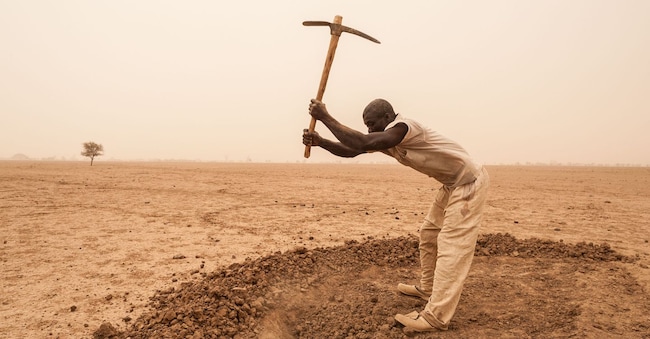
NAIROBI – The Sahel remains gripped by the crisis of instability caused by its military juntas, with the latest flare-ups of the large-scale offensive by jihadists and rebels in Mali and the Al-Qaeda attack on Niamey airport. Now there is a threat that looms once again, cyclically, over the region’s stability: the arrival of El Niño, the climatic phenomenon that triggers a rise in temperatures and threatens the already fragile food security of African economies.
According to estimates by the Food and Agriculture Organisation of the United Nations, the FAO, the heatwave left 60 million people affected and prompted humanitarian appeals totalling $5 billion across 23 countries in 2015–2016 alone. Its effects were repeated in 2023–2024 and could recur shortly, taking a heavy toll on the regions most vulnerable to its long-term economic and social repercussions.
The Sahel tops the list drawn up by the FAO, due to an unfavourable combination of factors, including food insecurity that has ‘worsened for five consecutive years’ and conflicts that continue to ‘displace people’ and harm ‘vulnerable communities’.
The impact on agricultural yields and the spiral in the Sahel
The impact of El Niño looms over the entire continent, with repercussions ranging from cocoa production in West Africa to the drought alert threatening the southern region comprising Botswana, Namibia, South Africa, Zambia and Zimbabwe. The Sahel “is one of the world’s most fragile regions” in the face of the climate crisis, explains Alberto Bigi of the FAO, highlighting some of its most insidious vulnerabilities on both the environmental and socio-economic fronts: from rising temperatures at a rate of 1.5 degrees above the global average to rainfall that is already insufficient and ‘increasingly erratic’, two factors that weigh even more heavily on a situation already characterised by instability and displacement crises attributed to the vicious circle between over a decade of jihadist insurgency and the rise of military juntas in the series of coups in Mali (2020, 2021), Burkina Faso (2022) and Niger (2023).


