

If the gut turns into a distillery: the 'self-production of alcohol' syndrome
It is all the fault of the 'brewing' bacteria that ferment foods that are especially common on the Italian table such as pasta, bread, pizza and cakes: it is a special microbiome that gives rise in some people to the production of endogenous ethanol
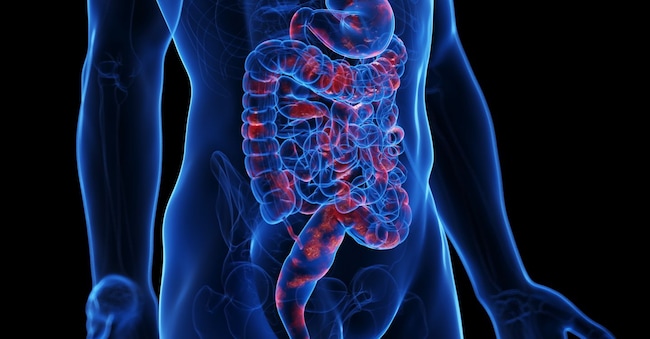
It may sound like the clumsy excuse made by a motorist caught in the 'balloon' test. But no. It is a real, albeit rare, syndrome: the 'auto-brewery syndrome' (ABS). Far-fetched as it may seem, some individuals do in fact harbour a particular type of microbiome in their gut that 'specialises' in the fermentation of food; these bacteria, after a binge of fermentable carbohydrates (pasta, bread, sweets, potatoes) turn the gut into a kind of clandestine distillery, resulting in the production of endogenous ethanol (alcohol). Dthis bizarre syndrome has long been talked about anecdotally, often with scepticism; initially, it was thought that fungi, in particular Candida, were responsible for the phenomenon. But now, a very serious study, published in Nature Microbiology, by researchers from the University of California San Diergo and Harvard has come to dispel doubts about the existence of this bizarre phenomenon linked to colonies of 'brewing' bacteria, and dotted the 'i' about the real culprits. The research was carried out on 22 patients with ABS syndrome, who underwent metagenomic profiling of their intestinal microbiome. This made it possible to identify the bacterial strains and metabolic pathways capable of converting the gut into a clandestine distillery.
The Studio
As we have seen, the 'raw material' is represented by fermentable carbohydrates, foods that are especially common on the Italian table, such as pasta, bread, pizza and sweets. Arrived in the intestine, the 'brewing' bacteria begin to ferment them, resulting in the production of ethanol (the fruit of fermentation), which also appears with real symptoms of alcohol intoxication, 2-6 hours after the meal. The authors of the study found that the average concentration of ethanol in the blood, in correspondence with these disorders, was 136 ± 82 mg/dl and was detectable both in blood tests and in the 'balloon' (the legal limit for driving is less than 0.5 grams/litre, or 50 mg/dl, but already at 0.2-0.3 grams/litre one feels a sensation of drunkenness and the perception of risk is reduced, as the Istituto Superiore di Sanità reports in its table). In short, a condition that is in every respect indistinguishable from alcohol intoxication following the consumption of wine or other alcoholic beverages.
People with ABS are completely asymptomatic during fasting phases or if they follow predominantly protein diets, and this contributes to confusion about their condition, leading them to be viewed with suspicion by both the treating physician and their family members.
The first reports of ABS syndrome date back several years, but this elusive syndrome never made it into the limelight because it was not considered plausible in scientific circles, and sufferers were branded as under-drinkers. But over the years, the methods of analysing the bacterial colonies that make up the gut microbiota have evolved greatly, and the authors of the study published in Nature Microbiology were able to assemble a fair number of patients that allowed them to study this strange phenomenon in depth, using techniques of metagenomic analysis of the gut microbiota and metabolomics on faeces. As a 'control' group, the patients' cohabiting family members were used.
Bacteria 'brewers'
The faecal cultures of the 'patients' had an average ethanol concentration of 14.47 mg/dl, compared to 5 mg/dl for healthy relatives, practically three times as much. Proof of the bacteria's culpability came when ethanol production disappeared following the administration of antimicrobials, leading the microbiota to a newfound 'sobriety'. The identity card of the 'brewing' bacteria was provided by metagenomic studies, which put Proteobacteria such as Escherichia coli and Klebsiella pneumoniae in the dock. The study of the metabolic pathways travelled by these bacteria revealed at least three different fermentation phenomena (e.g. mixed acid and heterolactic). In parallel, the patients showed an almost complete disappearance of butyrate-producing anaerobic bacteria such as Ruminococcus bromii and Coprococcus eutactus.

