
Five literary journeys in this anniversary-filled year of 2026
In Cumbria with Swift, three centuries on from *Gulliver’s Travels*

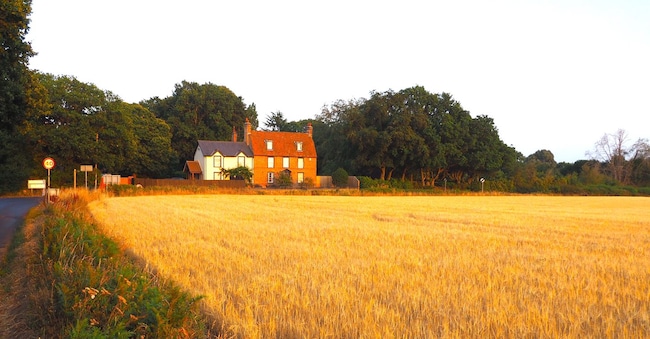
Three centuries ago, *Gulliver’s Travels* was published – an adventure novel that, three hundred years on, still captivates so many readers, perhaps inspiring them to cross the English Channel and discover Cumbria, or rather the Lake District, from which the author hailed. From estuaries teeming with wildlife to wide sandy beaches, there are many thrilling experiences to be had along a route that constantly skirts the coast from Morecambe Bay to the Scottish border: in Ravenglass, you can follow in the footsteps of the ancient Romans; in Maryport, those of the smugglers; and in the pubs of Barrow-in-Furness, you can still hear many tales steeped in seafaring tradition. On foot, you can choose to tackle the national trail known as the Coast to Coast Path, which begins in St Bees, or the King Charles III England Coast Path, which is even more scenic but considerably longer (2,700 miles in total). You might then want to take a break and unwind from the rigours of the walk at the festivals in Wigton and Cockermouth. A visit to the South Walney Nature Reserve is a must to see the grey seals up close (you can opt for Great Langdale Glamping at Harry Place Farm, staying in very comfortable wooden lodges surrounded by nature). Of course, there is no place actually called Brobdingnag – the imaginary land where Swift’s giants live – but his birthplace really is in Cumbria. Specifically in Whitehaven, which was once the third-largest port in the United Kingdom. Rich in Georgian architecture, this seaside town – whose architecture and town plan inspired that of the fledgling New York – is as curious and intriguing as Swift’s novels.

