

In Kenya, the Saudis have overtaken the UAE in energy exports
Riyadh is capitalising on the blockade of the Strait of Hormuz and undercutting Abu Dhabi’s volumes. But the dispute reveals, above all, Nairobi’s energy vulnerabilities
from our correspondent Alberto Magnani
 Aggiungi Il Sole 24 Ore
ai preferiti su Google
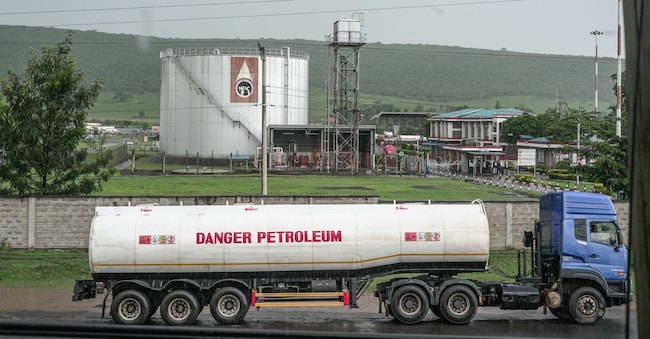
NAIROBI – The Iranian crisis has once again highlighted Kenya’s dependence on energy imports, an economic hub caught between a push towards renewables and vulnerability in its need for hydrocarbons. Some have capitalised on this opportunity better – or more quickly – than others.
An investigation by the Kenyan newspaper *Business Daily* has revealed that Saudi Arabia has overtaken the United Arab Emirates in oil exports to Kenya, with volumes amounting to the equivalent of 668.5 million euros between March and May of this year: a figure already more than double the €281.87 million recorded by the UAE over the same period. Riyadh’s lead is due to the diversion of a significant number of barrels away from the Strait of Hormuz to the East-West Pipeline, the 1,200-kilometre pipeline which provides a preferential route across the Red Sea for Saudi crude and bypasses the trade disruption on the old Hormuz route.
Kenya’s energy crossroads
Saudi Arabia’s intensified focus on Kenya offers a glimpse into the rivalry between Riyadh and Abu Dhabi in East Africa, one of several theatres of competition and conflict between the two pillars of the Gulf Cooperation Council. But it also opens up a broader perspective on Kenya’s fragility and potential as a regional hub when it comes to the delicate issue of its energy sector. The vulnerabilities are those exacerbated by the turmoil in Iran: dependence on purchasing hydrocarbons on the international market and the resulting strain on public finances. As recently as May, Kenya found itself facing a record ‘bill’ equivalent to 820 million euros in imports, weighing heavily on an already precarious budget and a debt projected to exceed 71 per cent of GDP by 2026: a gap of at least 16 percentage points compared with the 55 per cent threshold set out in the Finance Management Amendment Act of 2023.
The potential lies in two different directions being pursued by the Kenyan government itself. The first is the better-known one: the push for renewable energy, which already accounts for 90 per cent of the electricity consumed in a country with a population of almost 59 million. The second moves in the opposite direction, that of fossil fuels. Kenya is consolidating its position as a hub for oil and gas flows, serving as a base for infrastructure designed to facilitate energy flows between East Africa, the Gulf and the Indian Ocean. One such project is the Lamu Port–South Sudan–Ethiopia Transport Corridor or Lappset, a hybrid project designed to link the port of Lamu to Ethiopia and South Sudan via roads and a pipeline.
The other is the plan for a mega-refinery in Lamu itself: Nigerian tycoon Aliko Dangote’s $17 billion project to replicate the plant already operational in Lagos by 2024. Both projects pave the way for regional ambitions already articulated at a diplomatic level, but they must contend with the pitfalls of environmental impacts, the actual feasibility of their implementation and the stability of the Kenyan system. The country will return to the polls in 2027, against a backdrop of tension fuelled by the protests of 2024 and amid warnings about the health of its economy, such as the negotiations that Nairobi has just resumed with the International Monetary Fund. A further indication of what might – or might not – work on Nairobi’s path to economic and political growth.


