
Windows and doors, external insulation, awnings and hybrid systems: the complete guide to the new eco-bonus
Enea has published an updated version of the document setting out the eligible works: these are the ones that could qualify for the new 65 per cent discount

Replacement of windows and doors, installation of sunshades and biomass boilers. These are just some of the works eligible for the ecobonus, for which the Government is working on a expansion of the incentives. ENEA, the national agency for new technologies, energy and sustainable economic development, has updated its guides on the scheme dedicated to energy efficiency. As well as setting out all the technical and tax parameters for the various works, the document provides an opportunity to take stock of the scope of the discount, which could, in the near future, return to 65 per cent.
Percentages and deductions
The Agency’s table explains, first and foremost, what will happen to the tax deductions from January 2027. In general, the rate will fall from 50 per cent to 36 per cent for first homes and from 36 per cent to 30 per cent for second homes. Unless an extension is granted via the forthcoming Budget Bill, which, by applying the new flexibility clauses on energy efficiency, could raise the rate to 65 per cent. Against this backdrop, the replacement of heating systems with condensing boilers will certainly no longer be subsidised from January 2025 onwards.
The most interesting aspect, however, is the detailed list of all the works eligible for the discount. In addition to those already mentioned, there are all those relating to the comprehensive refurbishment of the building. These include insulation of the heat-dispersing building envelope (with works such as external thermal insulation), but there are also works on communal areas of block of flats that include the insulation of at least 25 per cent of the building envelope, even when combined with a reduction in seismic risk by one or two classes. Until 2024, these works were eligible for tax relief of between 70 and 85 per cent. Under the current regulations, these works will also be affected by the reduction in tax relief, although a 65 per cent subsidy could apply to all such works if the Government decides to extend the tax relief scheme.
The works included
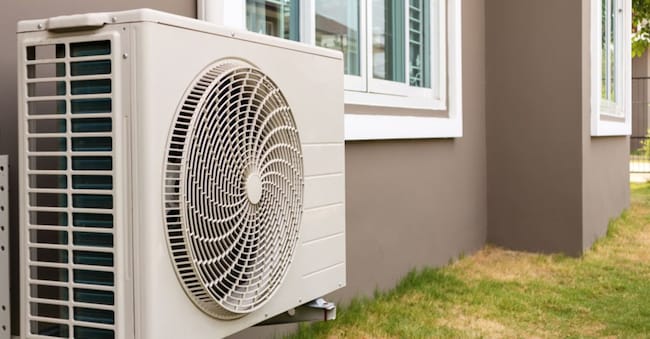
But the list of subsidised works is much longer. It includes solar thermal collectors and the replacement of heating systems with heat pumps (a category which, in fact, also includes air-conditioning units), the replacement of heating systems with heat pump water heaters, the replacement with hybrid systems (i.e. a boiler plus a heat pump, controlled by a single unit), the replacement of systems with micro-cogeneration units, and building automation systems. The new eco-bonus will apply to all these cases.


