

Injectable therapies: self-administration is driving innovation in medical devices
Diabetes and obesity are driving the growing popularity of pens, auto-injectors and other devices designed for home use: how is design changing?

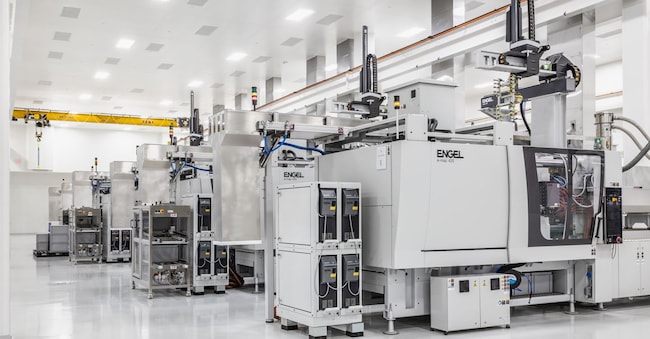
The use of injectable therapies is growing at a rapid pace, driven by biologics, the expansion of GLP-1 treatments and the shift of certain treatments from hospital to home. All of this is reshaping not only the methods of administration but also the design of devices and drug delivery systems.
In this context, GLP-1s play a central role. Used primarily for the treatment of diabetes and obesity, they are helping to accelerate the uptake of pens, auto-injectors and other devices designed for home use. For patients, treatment becomes easier to manage independently; for the industry, there is a growing need for solutions that are simple, reliable and suitable for large-scale production.
The growth of parenteral medicines
According to market forecasts based on IQVIA MIDAS data, parenteral medicines will continue to grow at a faster rate than other therapeutic forms.
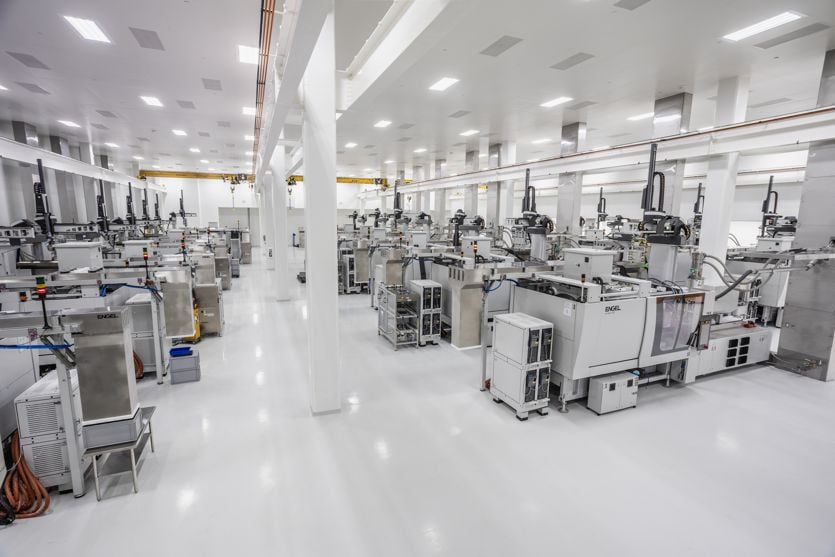
By 2025, the segment is expected to be worth around 872 billion dollars, with an expected compound annual growth rate of between 7 and 9 per cent until 2030. This expansion is driven primarily by biologics, which could account for around 85 per cent of spending on injectable medicines by the end of the decade.
“The growth in biologics and GLP-1 medicines, together with the gradual shift towards self-administration at home, is driving up demand for devices designed to simplify the patient experience, improve treatment adherence and support industrial scalability”, explains Michele Monico, president of Stevanato Group’s Drug Delivery Systems and In Vitro Diagnostics division.

