
Innovating a traditional product such as milk: the challenge facing Malgherosse
A farm that is reinventing livestock farming and milk production through a circular, inclusive approach focused on new market and communication strategies

In a world that is constantly accelerating, where theAI is redefining organisational models and processes, how can a company that produces one of the oldest and most traditional goods in human history innovate?
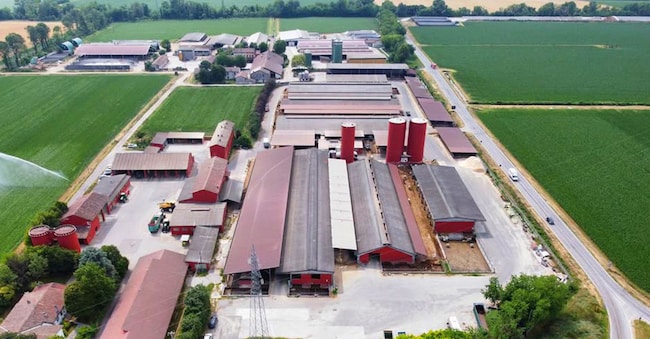
This is a question that Giuseppe Ruggeri and Valeria Comensoli Ruggeri, agricultural entrepreneurs at the helm of Cascina Malgherosse, a farm with a turnover of 25 million that rears nearly 3,000 head of cattle and produces more than 100,000 litres of milk a day.
There is no shortage of challenges: a sector so dependent on geopolitical dynamics and weather conditions suffers more than others from the consequences of the wars and the climate crisis the planet is currently facing. Events such as the closure of the Strait of Hormuz or fluctuations in the prices of commodities such as soya or maize necessitate a review of agronomic decisions. This requires a constant ability to reinvent oneself, moving beyond the mindset of “we’ve always done it this way” that has characterised the agricultural sector for years. Whilst in the past the volume of milk produced was the sole KPI, today the variables are multiplying and prompting business owners to think in terms of cost-benefit analysis.
Synergies between local businesses
The history of Malgherosse began in 2003, when Giuseppe Ruggeri took over the management of the family business through a business unit lease agreement. In 2021, he acquired ownership of the business, consolidating a path of growth, innovation and process optimisation guided by a long-term entrepreneurial vision.
One business model worthy of attention involves managing a substantial area of land – around 300 hectares – relative to the number of cattle reared, to enable neighbouring farms to cultivate their fields and supply the crops that feed the cattle. After the harvest, these fields are enriched with the manure produced by the animals, returning organic matter and valuable nutrients to the soil. This creates a virtuous cycle in which the carbon captured by the crops is not lost but returns to the fields, helping to preserve their fertility and support further production.

