

Insomnia for 13 million Italians, a bill for chronic insomnia arrives
Overall, the cost of the disease is estimated at around 14 billion between direct costs for hospitalisation, visits or drugs and indirect costs
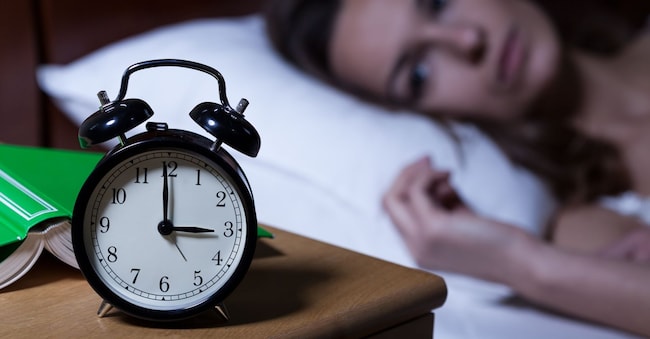
Insomnia affects 13.4 million Italians, mostly women, with consequences ranging from neurological and cardiovascular diseases to increased accidents. But only 40 per cent of patients are diagnosed and only 21 per cent are treated, while 4-5 million people in Italy have not received adequate treatment. Promoting awareness and recognising it by law as a pathology is the aim of a Policy Paper and a bill on chronic insomnia that have just been presented in Rome.
Numbers and the impact of insomnia
"For too long, insomnia has been considered a secondary disorder, whereas the data clearly show that it is a public health issue that requires a more structured approach," comments Health Minister Orazio Schillaci. Those who suffer from it - emerges from the document illustrated by the Working Group on Sleep Disorders, set up within the Parliamentary Intergroup on Neuroscience - complain of poor quality and quantity of sleep for at least three nights a week for at least three consecutive months. There is a greater incidence in the 45-54 age group and from the age of 65 onwards, but there is also a significant increase in cases among adolescents, often linked to the excessive use of smartphones, with repercussions on school performance and interpersonal relationships. Among the many consequences is the decline in cognitive functions: 62% of patients report concentration deficits and 57% have memory problems. Some 82 per cent complain of decreased performance at work. In addition, chronic insomnia is the cause of an increase in emergency room visits: a study on drivers suffering from insomnia showed a 1.8 times higher risk of accidents.
The proposed law on chronic insomnia
In total, the cost of the disease is estimated at around 14 billion, almost as much as a budget bill, between direct costs for hospitalisations, visits or medication and indirect costs for absenteeism and accidents. "I have just deposited, as first signatory, a bill to recognise chronic insomnia as an autonomous and disabling pathology, to be managed as a priority through a series of actions: its integration in the Lea and in the National Plan for Chronic Diseases; the establishment of an Observatory to study the pathology and, finally, guaranteeing greater employment protection. This political commitment is not just an act of institutional responsibility, but a strategic investment that on the other hand will favour a reduction in the direct and indirect costs weighing on the country's economy and will put patients back at the centre by providing protection tools for a uniform diagnosis and treatment pathway throughout the country,' clarifies Annarita Patriarca, Secretary of the Presidency Office of the Chamber of Deputies. "We can start a political action that starts with a joint intervention on sleep hygiene, through the training of clinicians and the awareness and information of all citizens," explains Beatrice Lorenzin, member of the Senate Budget Committee.

