

Interventional radiology: mini-invasiveness and innovation for the fourth pillar of oncology
President Carrafiello: 'Results comparable to traditional surgery in particular in cancers of the liver, lung, pancreas and kidney'

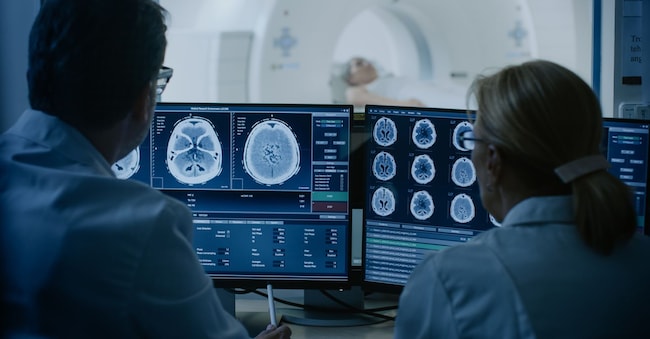
Interventional radiology is the fourth pillar of cancer treatment, with chemotherapy, surgery and radiotherapy, capable of integrating advanced technology, therapeutic precision and attention to the patient's quality of life. In some cancers it is now a widespread practice with excellent results that are also recognised internationally. Confirmation comes from the ICIO congress - Italian Conference on Interventional Oncology - which has just ended in Milan, with experts from all over the world coming together to discuss the latest innovations. "This conference is important above all for patients," explains Gianpaolo Carrafiello, President of ICIO, Director of Radiology at the Policlinico di Milano and Professor at the University of Milan. "Bringing together experts in interventional radiology from all over the world allows us to share the latest knowledge and to look to the future, while always keeping the patient at the centre. Today we can say with certainty that tumours can also be treated with interventional radiology'.
The ablation system for tumour treatment
There are many ablation systems, equipment that allows us to 'burn' the tumour with heat (and also with cold), but also non-thermal ablative treatments that have the advantage of destroying only the tumour cells. 'This is a very targeted, very focused therapy,' he adds, 'which avoids potential major complications and allows us to achieve results that today in some neoplasms are superimposed on surgery itself, particularly in the treatment of liver, lung, kidney, pancreas tumours. Today, our intervention should not be seen in isolation but within a multidisciplinary pathway and evaluation. These techniques guarantee not only a damaging action against tumour cells but also enhance the action of chemotherapy and immunotherapy. It is important to increase the level of knowledge of interventional radiology against tumours and to encourage greater sharing with other clinicians'.
"The idea of ICIO, born a few years ago from the collaboration with Prof. Carrafiello, is to take stock of the new procedures and of what is now consolidated in interventional radiology,' emphasises Luca Brunese, president-elect of SIRM and co-chairman of the congress. 'It is not just a comparison between Italian radiologists, but an open dialogue with colleagues from all over the world. It is an important opportunity to enhance the Italian interventional school and to show the many young people present what level of excellence can be achieved'.
Transforming Technology into Therapeutic Opportunities
'It is important to share scientific cultures and integrated clinical pathways,' says Nicoletta Gandolfo, SIRM national president and director of the Asl3 Imaging Department in Genoa. 'This is the strength of modern interventional radiology oncology: transforming technology into care, image into clinical response, and procedures into therapeutic opportunities shared with all the specialists involved in the cancer patient's pathway.
"Interventional radiology is one of the most advanced spearheads of modern medicine and has a great future ahead of it in the management of many pathologies, from cancer to other complex conditions," concludes Francesco Blasi, Dean of the Faculty of Medicine and Pro-rector of the University of Milan. "From an academic point of view, it is particularly significant to see the great participation of young people: a strong signal of the interest and growth potential of this discipline.

