
Reopening Hormuz: 40 countries seek diplomatic solution
The situation is serious, stressed British Foreign Secretary Cooper: in the last 24 hours only 25 ships have crossed the strait, compared to an average of 150 per day before the start of the war

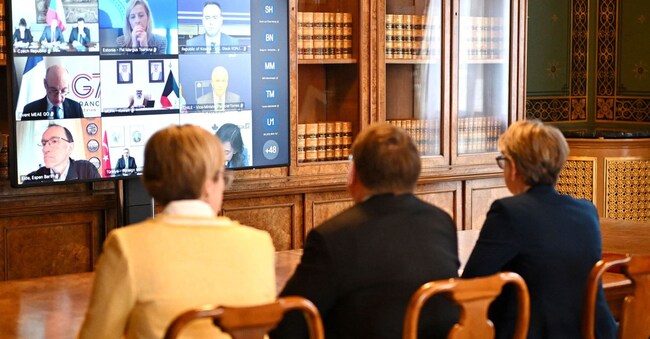
LONDON - The presence of 40 countries at the virtual summit organised by the British government today, 2 April, demonstrates "the strength of our determination at the international level to get the Strait of Hormuz reopened and free navigation restored," said British Foreign Secretary Yvette Cooper.
The meeting, attended by foreign ministers or undersecretaries of foreign affairs from 40 countries but not the US, served to take stock of the situation and define possible joint strategies, "with effective coordination to enable a safe and long-term reopening of the strait". An unambiguous response to a common problem is needed, Cooper said, as Iran "has seized an international shipping route to hold the global economy hostage with reckless behaviour".
The countries affected are not only those in the area, such as Bahrain, Qatar, the United Arab Emirates, Oman, Iraq, and Saudi Arabia, but also Asian countries now short of gas, Africa lacking fertiliser, and the whole world in need of jet fuel. By demonstrating a 'total recklessness towards countries that were never involved in the conflict', Iran 'is damaging global economic security', the British minister said during the summit.
The situation is serious, Cooper pointed out: in the last 24 hours only 25 ships have crossed the strait, compared to an average of 150 per day before the war began. Since then, there have been dozens of attacks on oil tankers and ships and twenty thousand sailors are trapped on two thousand ships stranded in the strait.
Today's political meeting will be followed next week by a summit of military strategists, organised by London, who will study how to make and maintain navigation in the strait safe. The aim is a 'collective mobilisation of the full range of diplomatic and economic instruments at our disposal', the foreign minister said.

