
Iran, the impact on Middle East travel: over 3,500 lost tourist bookings worth EUR 6.4 million
Travel agencies are running for cover. United Arab Emirates, Jordan and Saudi Arabia favourite stopovers for entrepreneurs and influencers

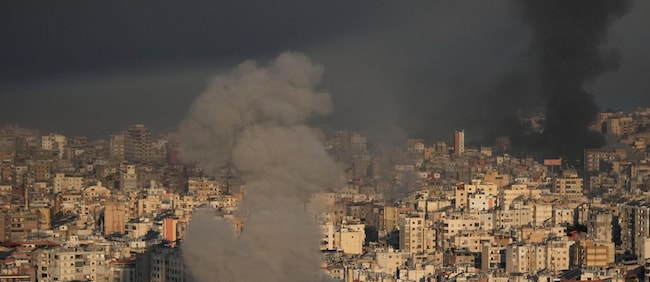
Organised tourism is also plunging into the void. After the attack by the United States and Israel in Iran, not only has the biggest disruption to air travel in recent years been recorded, but between cancellations and early returns it is estimated that within 30 days there will be more than 3,500 cancellations between packages and services, amounting to some 6.4 million euros in lost revenue.
Launching the cry of alarm is Assoviaggi Confesercenti with a report released in collaboration with the Centro Studi Turistici di Firenze. The loss concerns both the travel cancellations on packages already purchased and the all-inclusive proposals planned for the destinations with the highest security risk that will remain unsold.
The numbers
"Every year, more than 610,000 Italians travel to countries indirectly involved in military actions - the United Arab Emirates, Bahrain, Jordan, Saudi Arabia and, to a lesser extent, Oman - and about 60,000 of them use the services of tour operators and travel agencies," Assoviaggi told us. With the intensification of military actions, the entire area has undergone a sudden escalation with an immediate impact on security and travel logistics, starting with the closure of airspace and the consequent cancellation of numerous flights.
Dubai, a popular stop for luxury tourists
The Middle East has proven to be a favourite destination for 'wealthy' tourists seeking increasingly exclusive destinations. From the five countries affected by the initial effects of the conflict, an average of over 170 thousand arrivals per year and more than 2.5 million overnight stays are recorded. Leading the way is Dubai, which in 2025 almost broke through the roof of 20 million international travellers including millionaires, influencers and visitors. A steady growth forced to stop.
"For bookings that have already been planned," explains Assoviaggi, "organised tourism companies are having to deal with critical issues related to flight cancellations, travel cancellations, and possible insurance cover related to political instability or acts of war. The wave of cancellations and reprotections seems destined not to stop, causing a large number of losses for the sector.

