

A resurgence of Islamists and a dismal turnout: the election in a two-speed Morocco
The resurgence of the PJD and the slump in voter turnout reveal some of Rabat’s vulnerabilities, against a backdrop of record growth and unresolved tensions
from our correspondent Alberto Magnani
 Aggiungi Il Sole 24 Ore
ai preferiti su Google
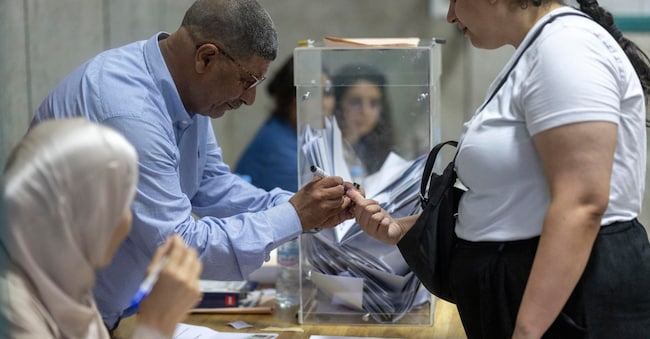
NAIROBI – The most immediate impact is continuity. The most significant impact will depend on the internal balance within the coalition and, above all, on the agenda leading up to a key date: 2030, the year in which the FIFA World Cup will be held and the investments tied to its success.
The Moroccan parliamentary elections held on 23 September resulted in a victory for the Parti Authenticité et Modernité (PAM), the centrist, pro-monarchy party that secured 97 seats in the latest election: ten more than the 87 it won in 2021, establishing itself as the leading party in the coalition formed alongside the liberal-conservatives of the Rassemblement National des Indépendants (RNI) (which slipped from 102 to 66 seats) and the conservatives of theIstiqlal (from 81 to 65 seats).
It is expected that the coalition between Pam, RNI and Istiqlal – already in power following the 2021 elections – alongside the appointment of a PAM-backed Prime Minister from among the head of the football federation, Fouzi Lekjaa, and the current mayor of Marrakesh and minister, Fatima Ezzahra Mansouri. However, the election results have revealed – at the very least – two disruptive signs concerning Africa’s most industrialised economy and the tensions that are spreading beneath the overarching objectives of King Mohammed VI’s monarchy.
The first is the resurgence of the moderate Islamists of the Justice and Development Party, who have bounced back to win 54 seats following their collapse to 13 seats in 2021. The second is the fall in voter turnout, which plummeted from 50 per cent in 2021 to 38 per cent a few days ago: a barometer of the electorate’s disaffection with the political leadership following the 2025 protests by Gen Z, the generation most hostile to the Rabat establishment and to the inequalities that overshadow Morocco’s ‘record growth’.
The PJD’s resurgence and Morocco’s two-speed economy
The parliamentary elections in Rabat took place in an atmosphere of – relative – calm, partly due to the secondary role played by the Moroccan Lower House compared with the monarchy and the royal entourage.


