
Italia is back in the red: nine cities will be on ‘orange’ alert tomorrow – here’s which ones
The Level 2 alert is back in Florence as early as today. From tomorrow, Bologna, Brescia, Milan, Perugia, Pescara, Turin, Venice and Verona will also be on orange alert.

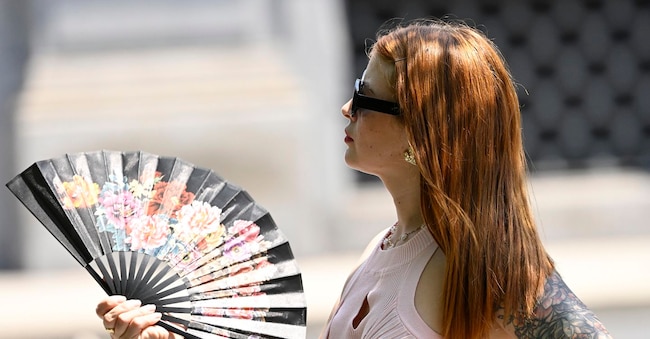
Following the drop recorded over the weekend, temperatures are set to rise again. Whilst there were still no towns or cities on orange alert yesterday, today the alert level has been raised to level two in Florence, and on Wednesday it will also be raised in Bologna, Brescia, Milan, Perugia, Pescara, Turin, Venice and Verona. Tomorrow, the number of municipalities on ‘yellow’ alert will increase; of the 27 being monitored, there will be as many as nine. According to the Ministry of Health, the orange alert level indicates that weather conditions could pose a risk to public health, posing particular dangers to the most vulnerable groups, such as the elderly, children, pregnant women and people with chronic illnesses.
Rising temperatures
In some parts of the country, and particularly in the central and northern lowlands, temperatures will once again reach 35 degrees this week, whilst in the south the weather will remain more pleasant and breezy. In fact, the heat alert will remain at ‘green’ on Wednesday in Cagliari, Catania, Genoa, Messina, Naples, Palermo, Reggio Calabria, Rieti and Viterbo.
Following a weekend without any heatwave warnings, the return of extreme temperatures is due to the resurgence of a subtropical high-pressure system over the Mediterranean basin.
As Federico Brescia, a meteorologist at iLMeteo.it, explains, “high pressure will once again take a firm hold over Italia, leading to a further sharp rise in temperatures. The rise will be particularly noticeable in the second half of the week, when the heat will once again become oppressive across much of the country, ushering in a period of almost complete stability’.
Heatwave alert
According to Fabrizio Pregliasco, director of the Postgraduate School of Hygiene and Preventive Medicine at the University of Milan, the temporary drop in temperatures recorded last weekend should not lead us to let our guard down: “After a brief respite,” he explained, “the high-pressure system is set to strengthen again, bringing a further rise in temperatures that will last for many days, which is likely to lead to uncomfortable conditions, particularly in large urban areas.”

