
Climate: Italy scorching in 2023. Here's where minimum temperatures peaked
In the summer, Italy was hit by intense heat waves, with temperatures of 48.2 °C recorded on 24 July in Jerzu and Lotzorai, south-eastern Sardinia, an absolute maximum ever recorded in Sardinia, 0.6 °C lower than the European record of 48.8 °C recorded in Syracuse on 11 August 2021
3' min read
Key points
3' min read
Record minimum temperatures in 2023 (+1.20 degrees Celsius), the highest ever, according to the picture taken by the National System for Environmental Protection in the report 'The climate in Italy in 2023', which examined the situation on the peninsula during the year. 2023 was the second year with an anomaly of +1.14 degrees for average temperatures compared to the climatological value of the 1991-2020 period, after the record of +1.23 degrees in 2022. 2023 is the tenth consecutive year with a positive anomaly compared to the average.
The hottest months
.October was the relatively warmest month: with +3.27 °C above the climatological value, it marked the highest point in its monthly series since 1961. Marked anomalies above +2 °C were also recorded in July and September. In summer, Italy was hit by intense heat waves, with temperatures of 48.2 °C recorded on 24 July in Jerzu and Lotzorai, in south-eastern Sardinia, an absolute maximum ever recorded in Sardinia, 0.6 °C lower than the European record of 48.8 °C recorded in Syracuse on 11 August 2021.
The surface temperature of the seas
.As with air temperature, the surface temperature of the Italian seas in 2023 ranks second in the historical series, with an anomaly of +0.9 °C compared to the 1991-2020 climatological average.
The rainfall situation
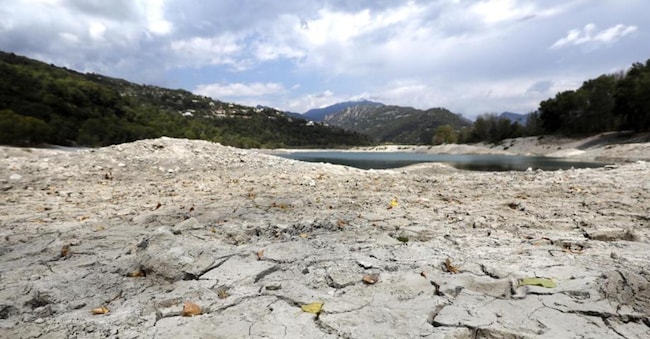
.After the severe deficit in 2022 (-22%), the cumulative annual precipitation in Italy in 2023 was almost average with -4% compared to the period 1991-2020. With a prevalence of negative monthly anomalies throughout the year, persisting from July to December in the South and Islands, the driest months were February (-56%) and September (-51%), while the rainiest months were May (+143%) and June (+77%).
Floods over central Italy
.The floods that hit central Italy were particularly disastrous. During the month of May, the central-eastern territories of Emilia-Romagna were hit by two rainfall events in rapid succession, both of exceptional magnitude, with cumulative rainfall over the first 17 days of the month reaching values of up to 609.8 mm at Trebbio (Modigliana, Lamone basin) and 563.4 mm at Le Taverne (Fontanelice, Santerno basin). The events caused 17 deaths, exceptional floods, thousands of landslides and very serious and extensive damage throughout the territory.


