

It’s not just Romania: Rheinmetall Italia is developing anti-drone defences in the MENA region
The giant has secured a major 5.7 billion deal with Bucharest, of which one billion is to be paid to the Italian company. This is in addition to a second contract worth 300 million for a country on the Mediterranean coast
by 24Ore NextMed
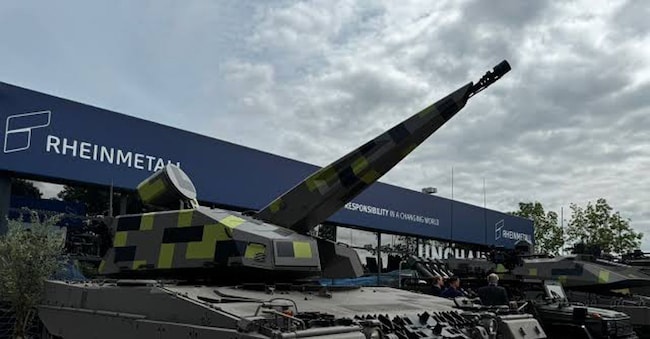
The defence giant Rheinmetall has secured a contract with Romania worth over 5.5 billion euros. The contract covers land vehicles, air defence, ammunition and components for naval vessels. An integrated package covering various operational segments. A key element of this is the air defence component, designed to protect against drones and aerial threats posed not only by rockets or artillery, but also by swarms that are low in number but high in potential. For this reason, Rheinmetall Italia – led by Alessandro Ercolani, based in Rome and employing around 700 people – is directly involved in the contract. One billion, in fact, will be allocated to Italian operations. Specifically, this involves an integrated mobile, fixed and naval air defence system funded through the SAFE (Security Action for Europe) programme. The three systems cover complementary roles in close-in air defence and anti-drone protection. Skynex is designed for ground-based use against rockets, artillery, mortars and unmanned aerial systems. Skyranger 35 applies the same concept to a short-range mobile platform, whilst Millenium extends close-in protection to the naval domain. In effect, these projects fully integrate the Italian subsidiary into the segment that is now central – and offers the greatest potential for growth – within EU defence. And that is not all. In recent days, the Rome-based company has signed a second agreement worth over 300 million euros with a country in the MENA region, bordering the Mediterranean. No details have been disclosed regarding the relevant ministry, but the same technology reinforces a second key concept for the Old Continent’s future strategies. Namely, the rise of middle powers and the need for defence against offensive drones are creating new opportunities for the sector and having a direct impact on employment in the capital, which will further expand the scope of radar technology and short-range defence.

