
Jim Beam halts production for a year: high tariffs and low bourbon consumption
The decision by the Japanese group Suntory, which has controlled the US brand since 2014, will allow the modernisation of the facilities
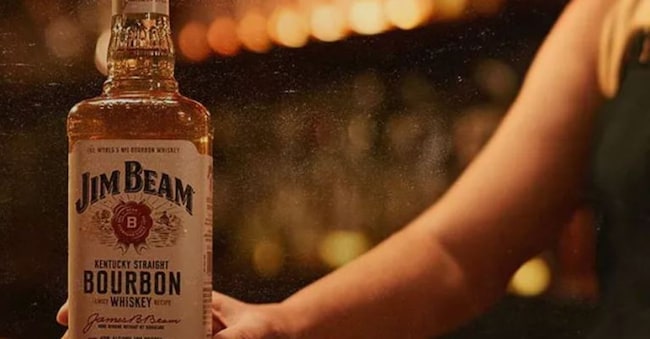
Japanese spirits group Suntory Global Spirits has announced that it will suspend production of its famous Jim Beam bourbon for a year at its historic Kentucky plant, due to the persistent drop in global demand. The decision reflects growing pressures on the US spirits sector, exacerbated by trade tensions and changing consumer habits.
According to company sources, the drop in sales was fuelled in particular by the repercussions of the tariffs imposed by the Trump administration in recent years, which triggered trade retaliation by several partners, mainly Canada, key market for US whiskeys. In Ottawa, for example, a spontaneous consumer boycott further eroded bourbon's market share. During the production shutdown, Suntory Holdings, which bought the Jim Beam brand in 2014 for $16 billion, will invest in upgrading the plant. However, lines dedicated to artisanal whisky production and other secondary activities will remain operational.
The company did not disclose the employment impact of the suspension, but emphasised that the disruption 'will not affect product availability in key markets due to existing inventories'. During Donald Trump's first presidency, between 2017 and 2021, the United States imposed tariffs on a wide range of imported products, in particular steel (25%), aluminium (10%) and Chinese goods In response, countries such as the European Union, Canada, China and Mexico applied targeted tariffs on symbolic products including, precisely Bourbon, jeans, Harley-Davidson motorbikes. In 2018, the EU imposed a 25 per cent tariff on bourbon, Canada introduced a 10 per cent tariff on American whiskey, and China applied tariffs of up to 40 per cent on some US spirits.
Just in the last few hours, Japanese and US officials held the second round of talks to determine which US projects will receive Japanese funding as part of a trade agreement between the two countries. Under the agreement, Japan pledged to provide the US with $550 billion in investments and loans, in return for the US reducing tariffs on imports from Japan.

