
Tariffs, US Supreme Court sceptical about legality of tariffs. Trump: 'Matter of life and death'
Hearing on the appeals concerning last April's Liberation Day tariffs. A final decision may not come for a few months

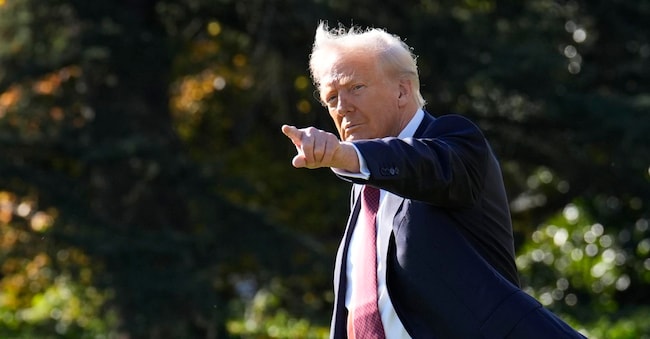
US Supreme Court justices have expressed scepticism about the legality of tariffs imposed by President Donald Trump against most of the world's nations. This was reported by the Cnbc. Conservative and progressive justices have harshly questioned Attorney General D. John Sauer on the legal justification for tariffs by the Trump administration, which critics say violates Congress' taxing power.
On Wednesday, the first hearing took place before the Supreme Court, which will have to decide whether President Donald Trump abused his powers to impose tariffs. The lower federal courts ruled that Trump did not have the legal authority he invoked under the International Emergency Economic Powers Act (Ieepa) to impose so-called reciprocal tariffs on imports from many US trading partners.
Sauer, who defends the tariff policy, stated that 'these are regulatory tariffs. Not revenue-generating tariffs'. "The fact that they increase revenue is only incidental," Sauer argued. Justice Sonia Sotomayor, one of the three liberal members of the Court, told Sauer: "You say tariffs are not taxes, but that's exactly what they are." "They are generating money from American citizens, revenue," Sotomayor said. He later noted that no president other than Trump has ever used Ieepa to impose tariffs.
Judge Neil Gorsuch, one of six conservatives on the Court, pressed Sauer on the fact that Trump had imposed the tariffs unilaterally, citing an international emergency, without Congress having authorised them. According to the Committee for a Responsible Federal Budget, the tariffs, if maintained, would result in $3 trillion in extra revenue for the US by 2035. Last week, the group claimed that the federal government collected $151 billion from tariffs in the second half of fiscal year 2025, "an increase of nearly 300% over the same period" in fiscal year 2024. A ruling against Trump could impose refunds of over $100 billion and would give a signal about the independence of the conservative-controlled court. A Trump victory could potentially set a far-reaching precedent, allowing presidents to take radical measures in the name of managing an emergency they have declared.
In any case, the Court's final decision is not expected until next July, but already the questions that the nine judges will ask, six conservative, three of them appointed by Trump, will give some indication as to whether the direction will be to align with the three federal courts that have already ruled Trump's use of emergency legislation to impose tariffs illegal.

