

Killer heat in Europe: Milan beats all with 1,156 deaths. Rome second, Barcelona third
Climate change has played a key role by intensifying summer temperatures across Europe and causing 16,500 more deaths than in a summer unheated by human activities

3' min read
Key points
3' min read
An anomalous September anticyclone is bringing the heat back to Italy, with peaks of 34-35 degrees centigrade that will last until the weekend, thus prolonging one of the hottest summers in Europe alone - in 854 cities - that caused 16500 deaths from June to August. Italy holds a sad record by taking the top two places on the podium: in the summer now drawing to a close, there were 1,156 deaths in Milan due to the impact of climate change on temperatures, and 835 in Rome, respectively the first and second most affected European cities. But the top ten also includes Naples in fifth place with 579 victims, and Turin to close the top ten with 230 deaths due to the heat. Right after Milan and Rome, there are Barcelona and Athens sharing third place with 630 victims, confirming the Mediterranean hub of extreme climate change.
The Impact of Climate Change on European Cities
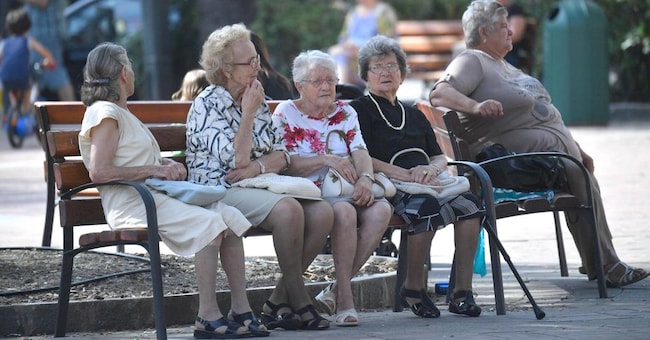
.Climate change has played a key role by intensifying summer temperatures across Europe and causing 16,500 more deaths than in a summer unheated by human activity, according to an analysis by researchers at the Imperial College of London and the London School of Hygiene & Tropical Medicine. In 854 European cities, climate change was found to be responsible for 68% of the estimated heat-related deaths, i.e. 16,500 deaths, as many as 4,597 heat-related deaths estimated in Italy, 2,841 in Spain, 1,477 in Germany, , 1,444 in France, 1,147 in the UK, 1,064 in Romania, 808 in Greece, 552 in Bulgaria and 268 in Croatia. The study emphasises that heat is an increasing threat due to the rapid ageing of the European population. People over the age of 65 account for about 85 per cent of the total deaths, with 41 per cent over the age of 85, showing how the heat is particularly dangerous for people with pre-existing health conditions, such as heart disease and diabetes. The proportion of people over 80 years of age in Europe is expected to increase from around 6% today to 15% by 2100.
Heat is a silent and underestimated killer
Using models, historical mortality records and peer-review methods, the study provides the first estimates of deaths this summer and highlights why extreme heat is known as the 'silent killer': most heat-related deaths go unreported, while official government data can take months to be published, if at all. the result is only a snapshot of the number of deaths related to extreme heat, as the cities studied account for about 30% of the European population. "Heat waves are silent killers. The vast majority of heat-related deaths occur in homes and hospitals.Despite being the deadliest type of extreme weather, heat has long been underestimated as a public health risk. For example, even this summer in Europe, people continue to work outdoors in temperatures above 40°C. Nobody would expect anyone to risk their life working in hurricane-force winds, but dangerous heat is still treated too casually,' says Garyfallos Konstantinoudis, Climate Change and the Environment, Imperial College London.
Why heat-related deaths will continue to increase
.According to researchers, policies are needed to make cities more resistant to extreme heat. Approximately 70 per cent of people in Europe live in cities and it is predicted that by 2050 more than 80 per cent will live there. European cities can be on average 4-6°C warmer than rural areas, with peaks of up to 10°C, because concrete surfaces trap heat and transport and energy use further increase urban temperatures. Expanding green and blue spaces can reduce the urban heat island effect and provide cooler areas that can be a lifeline during extreme heat, particularly for low-income communities living in warmer and denser housing, the researchers say. However, the researchers warn that even with major adaptation efforts, heat-related deaths will continue to rise until the world stops burning oil, gas and coal, which release emissions that trap heat and lead to hotter, more dangerous summers.


