
Ethics as a strategy, the industrial lesson of Anthropic
Anthropic's act strengthens its position in the responsible AI market. Here is how and why

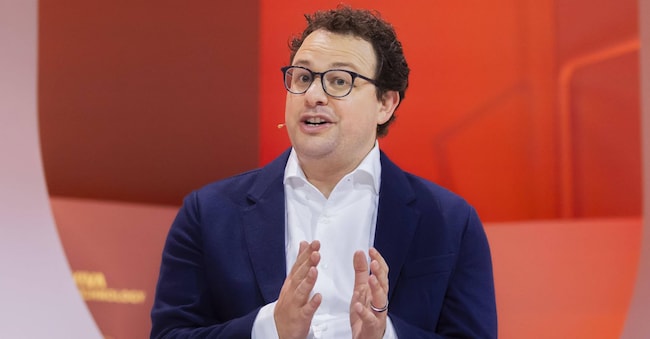
With Anthropic opposing the demands of Donald Trump to loosen limits on the military use of its models, it is hard to blame François de La Rochefoucauld when he writes that 'most of the time, our virtues are but vices in disguise'. According to most, that of Dario Amodei was a test of ethical courage. But, read with less apologetic enthusiasm and a little more realism, it is a forward-looking industrial move, with respect to which proclaimed virtue is an integral part of the strategy.
Moreover, this is certainly not the first time for Amodei. Over the past few years, Anthropic has built much of its public narrative by evoking the apocalyptic risks of artificial intelligence: from metaphors on the risk level of AI taken from the lexicon of pandemics to scenarios in which models are beyond human control. An effective communicative register: first the global danger is defined, then the role of those who can prevent it is claimed. And so in these hours Amodei is recounted as the manager who had the courage to say 'no' to political power. The hero who refuses to bow to the demands of the American administration and defends the principles of responsible artificial intelligence. An evocative reading, certainly. But incomplete. Because Amodei is not a romantic benefactor of technology. He is one of the most lucid entrepreneurs in the artificial intelligence ecosystem. And that is why his choice should not only be read as an ethical gesture. It is also, and perhaps above all, a strategic move.
The first effect is brand reinforcement
Anthropic has built its identity around model security and responsibility in the use of AI. In a market where almost everyone promises increasing power, positioning itself as the company that sets limits becomes a powerful competitive lever.
The second element concerns competitive differentiation. In the market for generative models, competition is not only on technical performance, but also on the political-industrial positioning of platforms. Anthropic's choice allows it to mark a distance from its competitors, who are perceived as more open to military or governmental collaboration.
There is then regulatory positioning
While governments and institutions are defining the rules of artificial intelligence, presenting oneself as the actor that has drawn clear boundaries inevitably accredits the company at regulatory tables, especially in Europe where credibility on technological governance is now decisive.

