Doctor, is it true that

Does kindness make you feel good? Here are some of the potential health benefits

The team of doctors and fact-checking experts from the National Medical Association addresses the main health concerns

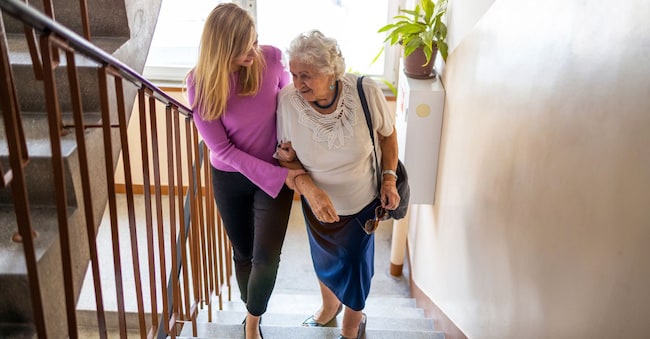
 pikselstock - stock.adobe.com

4' min read

Translated by AI
Versione italiana

4' min read

Translated by AI
Versione italiana

13 November is World Kindness Day: an opportunity to ask ourselves whether being kind is also good for our health. In psychology, acts of kindness are generally studied as part of prosocial behaviour – voluntary actions aimed at promoting the well-being of others. This encompasses a wide range of gestures: offering comfort, sharing, making a donation or simply showing solidarity. These can be small, everyday gestures, such as offering comfort or sharing, but also more structured activities, such as volunteering and supporting the community.

We saw this during the COVID-19 pandemic too: getting vaccinated, wearing a face mask, getting tested and self-isolating if you test positive are not acts of kindness in the strict sense, but they show how prosocial behaviour can help protect individual and collective health.

Loading...

Does being kind improve our health?

The most recent and extensive studies have found links between prosocial behaviour and certain positive health outcomes, both in those who engage in such behaviour and in those who receive it. The findings include reduced loneliness and, in some studies, more positive emotions and greater self-esteem.

In some studies, taking part in charitable initiatives has strengthened bonds with another person or with the community. In other studies carried out in China, a health service offered a free test (for certain infections) or a free vaccine (for flu) to people from vulnerable groups, and then asked them if they would like to give the same test or vaccine to someone else. Using this method, more people took the test or received the vaccine than under the usual approach. The authors of the review conclude that small acts of kindness can spread throughout the community.

But what happens when ordinary people are asked to perform small acts of kindness towards those living nearby? This was investigated by the KIND Challenge , a research project that brought together three randomised controlled trials (RCTs), involving a total of 4,284 participants aged between 18 and 90 in the United States, the United Kingdom and Australia. People in the experimental group were asked to perform at least one act of kindness towards their neighbours each week for four weeks, whilst the control group continued with their usual activities. The results were not identical across the three countries: by the end of the month, loneliness – that is, feeling alone – had decreased, albeit slightly, in the United States and the United Kingdom, but not in Australia. In the United States, social isolation – that is, having little contact with other people – also decreased. There were improvements in other areas too, varying from country to country: lower stress levels in Australia and, in some cases, better neighbourly relations. Depression, quality of life and positive emotions, however, remained unchanged.

It should be borne in mind, however, that we do not know whether the beneficial effects are sustained in the long term. Furthermore, the studies have not shown significant and consistent effects across all aspects of psychological well-being, such as mood and quality of life.

Does kindness also affect physical health?

Some studies on prosocial interventions have observed links with favourable outcomes in physical terms as well. In particular, possible links have been described with: the immune response and reduced activity of certain inflammatory processes; the cardiovascular system, with lower levels of certain risk indicators; and metabolism, and in particular, liver health.

It has also been noted that incentives linked to charitable campaigns help to increase levels of physical activity, particularly amongst older people. It should be noted, however, that these are correlations, not proof that kindness, on its own, directly produces these effects.

Overall, some research suggests that the health benefits may be greater for those who perform acts of kindness or altruism than for those who receive them.

On the subject of blood donation, it has been observed that people who give blood report less discomfort or pain than when having blood taken for routine tests, despite the larger needle and the longer procedure. We have looked in more detail at the health benefits and the lack of risks for those who choose to become blood donors.

Loading...

Does kindness really change our bodies?

To understand how kindness can influence certain bodily functions, it is worth looking at an experimental study in which some people performed acts of kindness towards others, such as buying a stranger a coffee.

On analysing blood samples from the various participants, the researchers observed that only in the group engaged in concrete acts of kindness towards others was there a reduction in the expression of certain white blood cell genes associated with the biological response to stress and inflammation. However, the relatively small sample size and the short duration of the study do not allow us to conclude that being altruistic protects against chronic diseases or boosts the immune system.

And, contrary to what is sometimes claimed, they do not even show that kindness promotes longevity.

With regard to the reduction in mortality, in particular, a meta-analysis (which, in turn, examined 28 reviews) conducted on people involved in voluntary work is frequently cited. This extensive body of data suggests an association between helping others and an improvement in quality of life and general well-being, particularly in older age. The effect on mortality, however, needs to be confirmed by further research.

The most significant benefit of prosocial behaviour is therefore the reduction in loneliness. Further improvements are achieved when altruistic motivation stems from a free choice and is consistent with one’s own values. Otherwise, helping others can become a source of stress.

Can looking after others actually be bad for your health?

In some situations, this can happen: caring for others can take a psychological toll, particularly when it involves repeatedly coming into contact with suffering or taking on responsibilities that are difficult to bear. In such cases, so-called ‘compassion fatigue’ may set in: a state of emotional and psychological exhaustion characterised by sleep disturbances, difficulty concentrating and social withdrawal. It is therefore important to recognise emotional exhaustion and prevent the factors that can contribute to it, such as a lack of support, excessive workload and an imbalance between work and private life.

This risk primarily affects doctors and nurses, psychologists and psychotherapists, teachers and social workers. We have examined the factors that could put healthcare workers at risk of burnout in the factsheet “Are doctors at risk of burnout?”, a condition that can also affect those who care for family members with disabilities or illnesses

Read the full article on the dottoremaeveroche website, run by Fnomceo

Copyright reserved ©
Loading...

Brand connect

Loading...

Newsletter

Notizie e approfondimenti sugli avvenimenti politici, economici e finanziari.

Iscriviti