
Europa Clipper launched, searches for life on a moon of Jupiter
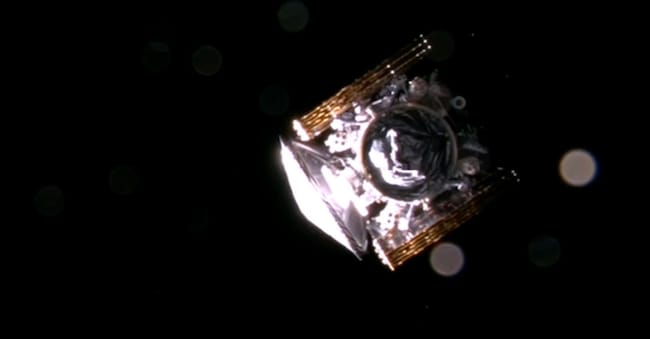
The launch from Cape Canaveral of Clipper, the Nasa mission that will study the mysterious oceans beneath the icy crust of Europa

2' min read
2' min read
Twenty-four historic hours for space since Sunday 13 October. First the incredible, sci-fi scene of SpaceX's Starship rocket, literally caught on the jaws of its launch base as it returned with pinpoint accuracy from its brief test trip, a scene that left even the most seasoned commentators open-mouthed for several minutes. Then followed the opening in Milan on Monday morning of the IAC, the biennial world congress on astronautics, with almost 2000 delegates, and finally, in the afternoon, the launch from Cape Canaveral of Clipper, the Nasa mission that will study the mysterious oceans beneath the icy crust of Europa, one of Jupiter's main moons, incidentally discovered on the night of 7 January 1610 by Galileo.
Nasa's new probe, which will search for traces of alien life on Europa, costing $5 billion, left Cape Canaveral at 6.06pm on a SpaceX Heavy carrier rocket and its complicated mission will take at least 10 years. The first 5.5 will be spent, however, to cover the roughly 3 billion kilometres that separate us, taking that route, from Jupiter.
As always in satellite launches, the first 100 kilometres are the most delicate, the first hour is very risky, although in the remaining 10 years, in this case, there is still some risk. You have to go beyond the atmosphere and come out of the sphere of influence, read attraction, of the Earth.
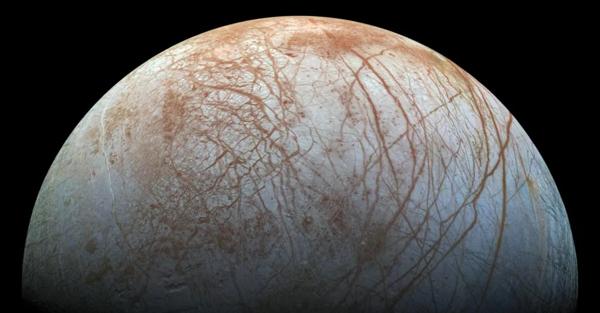
Clipper will not go straight to Jupiter, as it does not have enough fuel: it will first pass by Mars in 2025 and then again by Earth in 2026 to get a boost, thanks to the famous slingshot effect. With this help, Clipper's arrival at Jupiter is already scheduled for 11 April.
Once it is around Jupiter, the probe will carry out further complex manoeuvres in order to make some fifty close flyovers of Europa over the next four years, studying that enigmatic, icy world with nine instruments, in order to understand everything about the great ocean that lies beneath the icy crust of Jupiter's satellite.


