Libya

Russian LNG carrier, towing operations started
aggiornato il 25 marzo 2026, ore 12:44

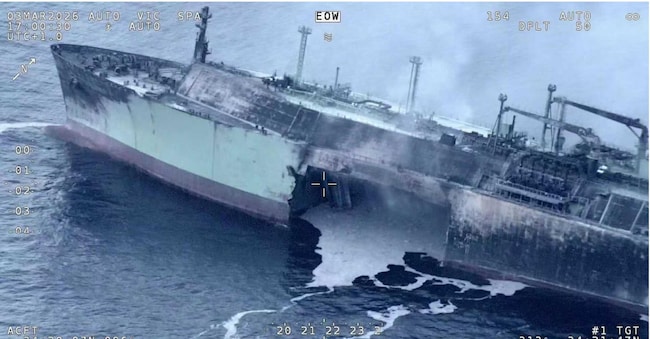
Una veduta aerea del 3 marzo 2026, ripostata su X da OSINTdefender, della petroliera russa "Arctic Metagaz". L'immagine mostra il grande buco nello scafo bruciato della nave, che avrebbe preso fuoco nel Mediterraneo dopo essere stata presa di mira da un drone navale non identificato vicino a Malta, 13 marzo 2026 ANSA

3' min read

Translated by AI
Versione italiana

3' min read

Translated by AI
Versione italiana

Libya, through the National Oil Corporation (Noc) and in cooperation with Italy's energy group Eni, launched an emergency operation to secure the Russian LNG carrier Arctic Metagaz, drifting in the Mediterranean and considered a potential environmental threat to the North African coast.

According to Noc itself, a contract has been signed with an international company specialising in the management of offshore incidents, with the aim of intervening on damaged ships and preventing possible oil or gas spills at sea.

Loading...

The unit, severely damaged in early March by explosions whose origin remains controversial, has been sailing without a crew for weeks and has been progressively pushed towards Libyan waters by winds and currents.
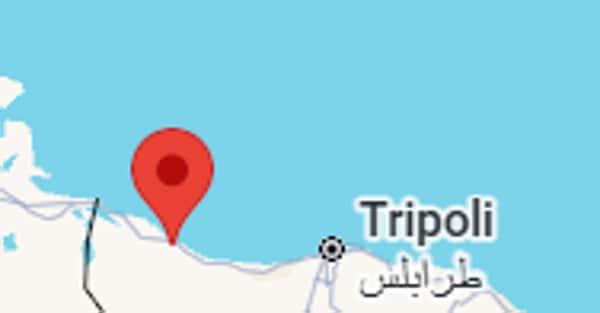
Zuara

La città è vicina al confine tra Libia e Tunisia

The Ministry of Defence of the national unity government in Tripoli has announced the start of towing operations of the Russian LNG carrier Arctic Metagaz, towed some 44 kilometres from the town of Zuara (Zuwarah) in north-west Libya to prevent the unit from approaching the country's west coast any closer.

According to reports from the ministry, the unit was stabilised with the use of a specialised tug, the first step towards a controlled transfer to a safe area, to prevent further approaches to the coast and reduce risks to navigation and the marine environment.

According to the official Libyan news agency Lana, Acting Foreign Minister Taher al Baour discussed with the Russian ambassador in Tripoli, Aydar Aganin, the ongoing efforts of the National Oil Corporation, the Port Authority, and shipping to manage the ship and limit environmental risks.

On the operational side, the National Unity Government's Defence Force announced yesterday that the Coast Guard's Search and Rescue Coordination Centre is supervising the operation, with the support of a tugboat linked to the oil fields.

In the same hours, the Misrata Free Zone announced the deployment of a specialised team from the maritime affairs department on board the tugboat Assumud, in coordination with the operations room, the Coast Guard and port security, to strengthen containment capabilities and secure shipping.

As early as the night of 23-24 March, Noc had raised the alert level, activated a 24-hour central operations room, and deployed anti-spill means and equipment, pointing out that it was working with the offshore infrastructure companies, the Port Authority, and international partners, includingEni who has a joint venture with Noc for Mellitah Gas and Oil.

The ship's cargo, consisting of liquefied natural gas and 700 tonnes of fuel (450 fuel oil 250 diesel), poses a high risk in the event of a leak or collision.

Some European countries have already described the situation as an 'imminent and serious' threat to the Mediterranean ecosystem.

The ship, part of the so-called Russian "shadow fleet" used to circumvent international sanctions, has also been the focus of growing international concern due to the geopolitical implications of the war in Ukraine and the security of energy routes.

Faced with the approach of the LNG carrier to territorial waters, Noc activated an emergency operations centre to coordinate operations, under the direct supervision of its leadership and in cooperation with the relevant national authorities.

The stated objective is twofold: to contain the environmental risk and towing the ship to a safe Libyan port. The Libyan authorities have assured that the country's oil infrastructure, including platforms and terminals, are not currently exposed to direct pollution risks.

The episode highlights the growing vulnerability of the central Mediterranean, a strategic crossroads for energy trafficking and a theatre of geopolitical tensions. The case of the Arctic Metagaz also highlights the critical issues related to the management of ships involved in parallel energy circuits, often characterised by opaque safety standards.

Copyright reserved ©

Brand connect

Loading...

Newsletter

Notizie e approfondimenti sugli avvenimenti politici, economici e finanziari.

Iscriviti