
Lipstick to pigs and reputational capital
Corporate and personal reputation: a vital asset to preserve

3' min read
3' min read
Pigs are very intelligent animals, but they have a bad reputation that makes them the subject of numerous proverbial expressions. My favourite in English is 'put a lipstick on a pig'. The etymology dates back to the 16th century and means to beautify something on the surface, while the real substance remains unattractive and, in this case, smelly.
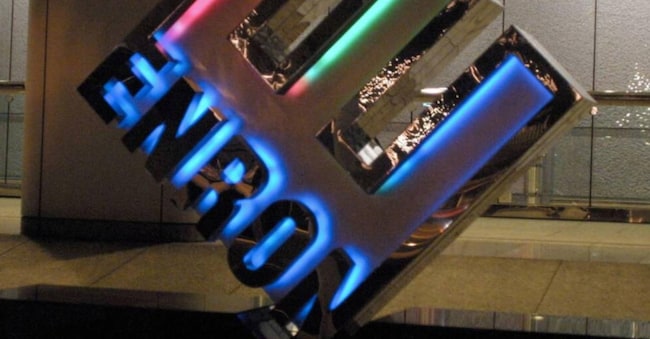
I always mention one of my 'favourite' companies,the unforgettable Enron. What were the values stated in its mission statement? You guessed it: Integrity, respect and excellence. Sit back and enjoy the following sentence. Under the heading 'Respect' the webpage read 'Treat others as we would like to be treated'. I guess they spent a fortune on lipsticks until the rest of the world and its 29,000 employees discovered the truth. Bankruptcy and executives in jail. Missing pensions, fraud.
The reputation of a company is of vital importance: in the 1970s the capital of a company was the 'tangible' assets such as machinery, factories, land. Now 70% of capital is represented by intangible assets, i.e. brand reputation. The same applies to personal reputation. In my experience, sooner or later the skeletons in the wardrobe become visible to everyone.
Some time ago, I listened to one of the best and most entertaining presentations I have ever attended. The speaker selected ten profiles of ten different people from four different platforms: LinkedIn, Facebook, TikTok and Tinder. He started with LinkedIn. First profiles: flawless, perhaps with too many buzzwords to describe jobs and responsibilities. The speaker asked the audience of about five hundred HR professionals: Would you hire them? The answer was overwhelmingly positive. Then he showed the same people on Facebook and TikTok. I'll let you imagine. Here is the austere investment banker winning the bet to drink five pints of beer in three minutes. The grey accountant singing Freddie Mercury in his underwear. The teacher with a paramilitary group with Nazi sympathies. Oops! The fun was turning into embarrassment. The audience started to feel uncomfortable. The best part, said the speaker, was to check the profiles on Tinder: some of the photos didn't leave much room for imagination. At that point the speaker went back to the LinkedIn profiles and asked: would you still hire them? Surely you can imagine the answer. Within five minutes he had changed the minds of those present. The speaker had some legal problems because he destroyed the reputation of some individuals. He was certainly wrong to do so, but the presentation raised a question.
Social media presence remains the easiest and quickest way to check someone's reputation, no company takes references like it used to. What goes online stays online, regardless. I know several people whose careers have been destroyed or hindered by an instant of madness. Avoiding a negative reputation therefore becomes vitally important. But the best thing is to create a positive one. Do something for other people without expecting anything in return: lend a hand to someone who is having a hard time, call a colleague who has lost his job and introduce him to a friend or introduce him to another company. Help out, be available and offer a coffee to someone who needs to talk, do something unexpected, stay in touch, or send an article or book.


