

Listeriosis and plant foods: what to do to prevent contamination
After meat, milk and fish, the focus of the Ministry of Health and Efsa is also shifting to fruit, vegetables and non-dairy cheeses

2' min read
Key points
2' min read
For a long time, listeriosis was discussed almost exclusively in relation to foods of animal origin: meat, milk, fish. Today, however, the focus on this potentially very serious infection is also shifting to products of plant origin, especially if they are raw, packaged and consumed without further treatment. It is a change that is part of a broader vision of food-borne diseases, on which EFSA and the Ministry of Health have turned the spotlight with the Safe2Eat campaign, launched in 2025 to raise awareness of the risks associated with products of non-animal origin and the use of additives.
The bacterium survives at low temperatures
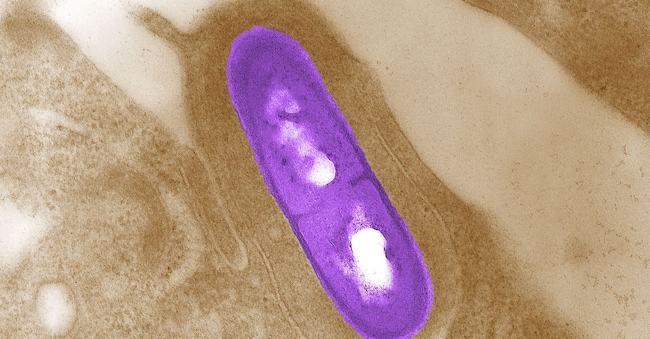
.The bacterium Listeria monocytogenes, responsible for the infection, is commonly present in the environment and is also very resistant, being able to survive the temperatures commonly used for refrigerating food. While in healthy people the disease generally does not cause major symptoms, it can be particularly dangerous for certain groups, e.g. the elderly, pregnant women, cancer patients and immunocompromised individuals. In these cases, complications such as septicaemia, meningitis or encephalitis can occur, with a mortality rate of around 15-20%.
The contamination of non-dairy cheeses
.The growing recognition of the role of plant foods in this disease is linked to the observation of listeriosis outbreaks linked to frozen maize and vegetables, cut fruit, ready-to-eat salads, raw sprouts, table olives and alternative plant foods such as non-dairy cheeses. Contamination may already occur in the field, through soil or water, especially for vegetables and fruits growing in direct contact with the soil. In this scenario, considering that contaminated food does not show visible alterations, prevention remains fundamental, with good kitchen practices at the centre: wash fruit and vegetables carefully, sanitise utensils and surfaces, avoid contact between raw and cooked food, and always carefully follow label indications. It is important to distinguish between unpacked products intended for raw consumption, whose risk depends precisely on the hygienic conditions adopted, and packaged and ready-to-eat products, which are more exposed to contamination due to handling and long storage. A special discourse concerns the most vulnerable people, who should limit their consumption of foods considered at risk, preferring acidic, dry or cooked products.
Health Ministry Information Campaign
.In addition to the Safe2Eat information campaign, the Ministry set up a Working Table to strengthen the surveillance of food-borne diseases, improve epidemiological investigations, identify affected foodstuffs more quickly and ensure timely interventions to protect public health.
*Executive veterinarian of the Istituto Zooprofilattico Sperimentale dell'Abruzzo e del Molise, Head of the Department of Food Hygiene and Animal Nutrition, Lanciano Section and NRL for Listeria monocytogenes

