
Live music, each stage of a musical tour different thanks to artificial intelligence
Jovanotti's concert in Rome on 25 April was a clear example of how artificial intelligence can transform the world of live music.

3' min read
3' min read
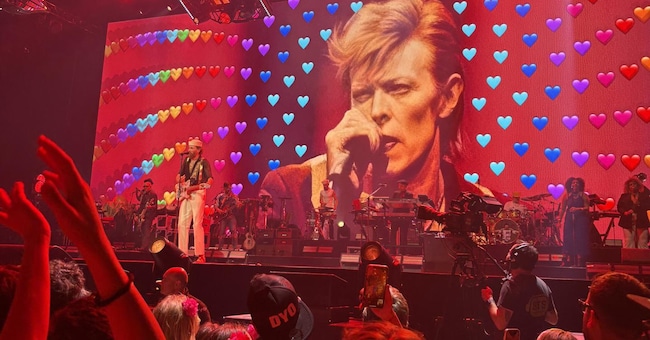
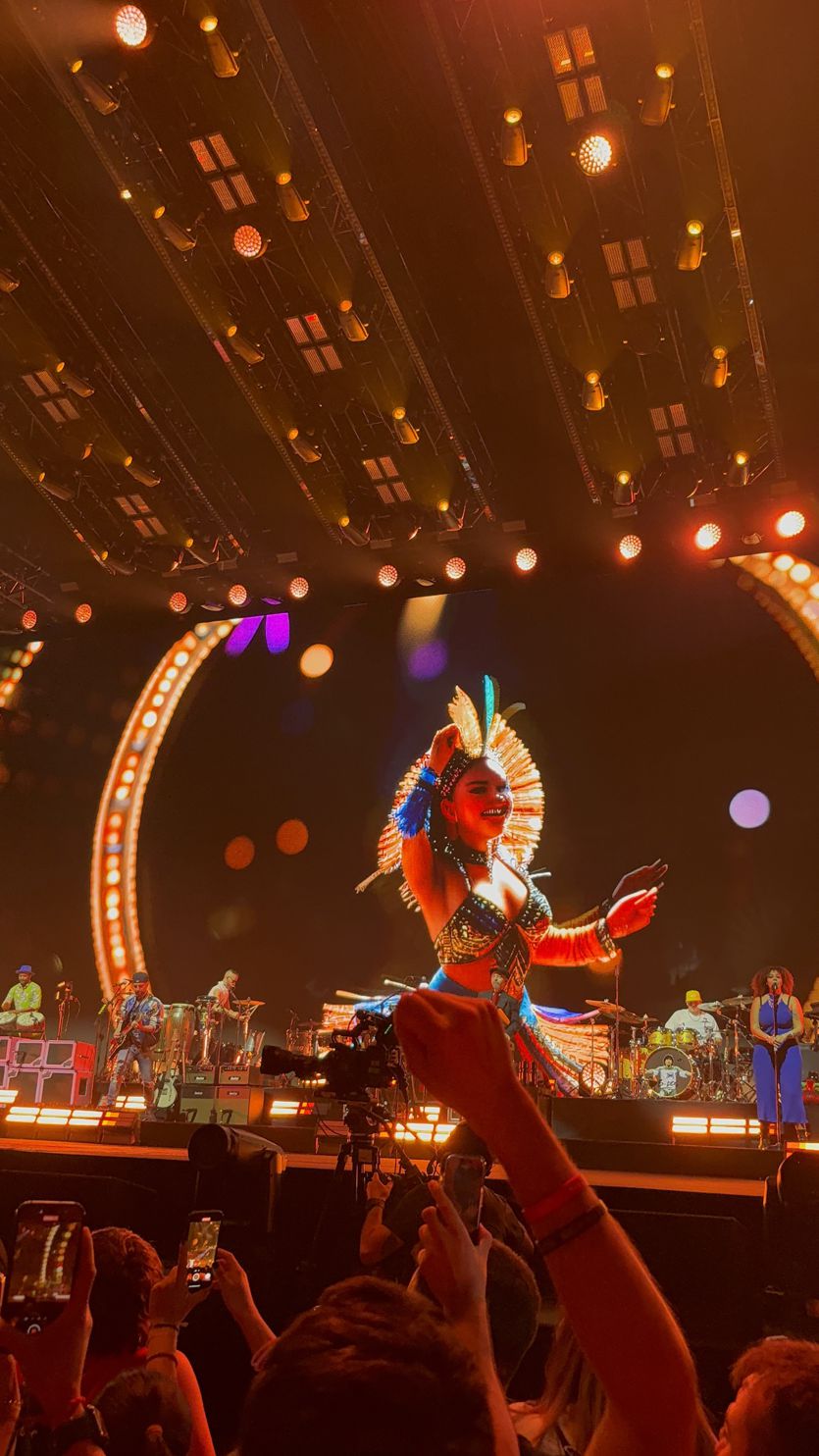
Jovanotti's 25 April concert in Rome was a clear example of how artificial intelligence can transform the world of live music. During the performance at the Palazzetto dello Sport, Jovanotti used AI technology to create a unique visual experience that adapted in real time to the music and the audience. Each song in the concert had its own 'special effect', with the band's appearance changing according to the song: from Indian dancers to Mexican musicians during 'Navel of the World', or Jovanotti taking on the appearance of Elvis and David Bowie during 'I Love You Baby'.
But it is not just a matter of visual effects: the real innovation is in the use of artificial intelligence to create a totally dynamic live experience. Jovanotti harnessed AI during most of the songs, making each performance unique. During the concert, he also revealed that he used ChatGPT, asking what were the 5 most used words in his songs, resulting in a part of the concert where the AI interacted with the audience in a surprising way.
The use of artificial intelligence, able to adapt to the music and the environment in real time, marks an important step in the future of live music. Not only do the visuals become more immersive, but the audience experience is enriched, creating concerts that are never the same.
From visual technology to Ai: the evolution of concerts
.Since the 1990s, the use of LED screens has transformed live performances, making the visual part an indispensable element. U2's ZooTV Tour ushered in the massive use of mega-screens, a trend that is now stronger than ever, with events such as the Sanremo Festival and Eurovision placing increasing emphasis on stage design. A case in point is the Sphere in Las Vegas, which offers an unprecedented immersive visual experience.
However, synchronising music and visuals is a challenge. Each concert features the same set list, but each performance is different. The direction must adapt in real time to the nuances of the performance, forcing artists to perform the same versions of songs to ensure perfect synchronisation with the visuals. This can limit improvisation and make the audience experience repetitive.

