
Logistics: road transport costs set to soar in 2025, whilst rail costs are expected to remain stable
This is confirmed by the Bank of Italia’s analysis. There has been a decline in air freight, whilst rail freight figures remain stable. By sea, however, there continues to be considerable variation in freight rates
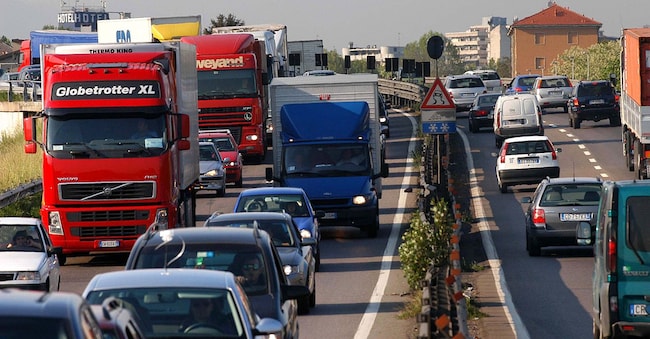
Rise in the costs of road transport by around 10 per cent, whilst prices for rail transport remain stable, whilst those for air transport are falling. These are some of the key findings of the Bank of Italia’s ‘Survey on International Freight Transport’ for 2025. The share of transport costs in Italy’s trade in goods remained stable compared with 2024 for exports (2.6 per cent), but fell slightly for imports (from 4.2 to 4.1 per cent). According to the analysis by Palazzo Koch, ‘these trends reflect varying dynamics across the different sectors’.
The painting
As regards road transport, in 2025 average costs returned to the high levels recorded in 2022. Alongside the growth in volumes handled, the rise in operating costs (up by around 10 per cent, as mentioned) also played a significant role in the increase: the main factor is drivers’ wages, linked to the persistent staff shortage. The shortage of operators, together with the decline in heavy goods vehicle registrations in Europe, has led to a reduction in transport capacity.
The rise in costs has affected all geographical areas. In the rail sector, average transport costs per tonne have remained stable overall: in fact, they have risen moderately in the container sector and fell by a similar amount in the bulk sector. The fall in operating costs, on the other hand, had an impact on air transport, a sector which recorded, on average, a fall in costs.
Transport by sea cannot be regarded as a single sector, as the various types of vessel used are characterised by a wide range of freight rates. As regards container transport, costs have fallen significantly following the exceptional increases in 2024. According to Via Nazionale, this figure must be viewed in the context of the expansion of cargo capacity and the weakening of the market power of the major alliances between shipping companies.
Imports and exports
The decline was particularly marked for import freight rates (-26 per cent), which had risen sharply in 2024 following the diversion of trade round the Cape of Good Hope.

