

Is loneliness bad for your health? Here are the risks and main effects and how to try to combat it
The National Medical Association's team of doctors and anti-fraud experts answers the most important health questions
Key points
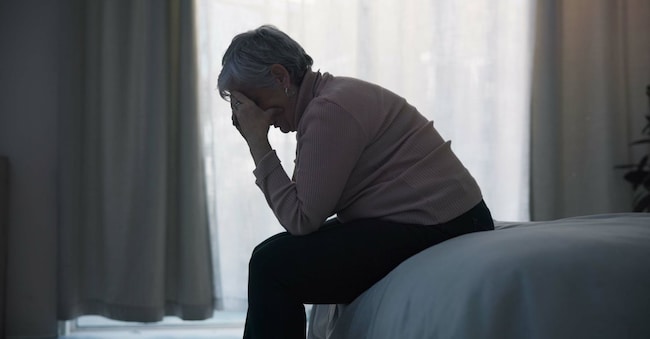
An 'epidemic of loneliness': this is the expression used in the media to describe the widespread and growing social isolation in modern societies, due to the increase in digital and social activities and aggravated after the limitations experienced during the Covid-19 pandemic. But is this really the case? Are we more lonely, therefore more fragile? Feeling lonely is a common experience and, in many cases, not a problem. However, loneliness becomes a health risk factor when it is not wanted, if it is prolonged over time and prevents social interactions and relationships. In the meantime, we must beware of social isolation, a dangerous condition that is different from the natural need for time alone, and which can expose us to chronic pathologies and threaten mental health.
Is it true that we are experiencing an "epidemic of loneliness"?
One may read definitions like this when analysing today's society, especially in industrialised countries. Among the factors mentioned are the measures introduced during the Covid-19 pandemic, such as distance learning and smart working, and the growing popularity of relationships and pastimes via social networks. Although it is complex to assess the prevalence of loneliness, there are no actual differences over the years. However, experts distinguish loneliness, understood as a subjective feeling, from social isolation, i.e. the actual absence of relationships. Loneliness is a common, often temporary, emotional state that is not necessarily harmful. It represents a problem when it is experienced as inevitable, with no way out, and is accompanied by physical or emotional discomfort. It thus becomes a condition of fragility.
How is social isolation diagnosed?
As we have seen, it is not easy to quantify the degree of loneliness. However, there are certain signs and conditions that are more likely to occur in people without social support: few family contacts, lack of reliable relationships, difficulty in asking for help. Certain situations make these groups more vulnerable: single parents; caregivers, i.e. those who look after sick or elderly relatives; people with disabilities or chronic illnesses; pensioners; individuals with financial problems; people exposed to discrimination (because of geographical origin, sexual orientation). There is also a specific anxiety disorder, known as social anxiety (or phobia): sufferers tend to avoid interactions with others because, in addition to feeling fear, they experience physical symptoms (rapid heartbeat, sweating, stomach ache). Sufferers increase their isolation for fear of being sick.
What are the health effects of social isolation?
Chronic loneliness is associated with an increased risk of early mortality. A large US study of over 580,000 adults found that social isolation increases the risk of death, especially from cardiovascular causes. The people considered to be isolated were mainly single, with few relatives and friends and little or no associative life. One of the most studied mechanisms at the root of the disorders caused by excessive loneliness is systemic inflammation, also favoured by high levels of the 'stress hormone' cortisol. This state can increase the risk of type 2 diabetes, hypertension and autoimmune diseases. Those who are isolated also tend to lead an unhealthy lifestyle: sedentary lifestyle, less balanced diet, increased consumption of tobacco and alcohol. Unhealthy lifestyles that we know have a negative effect on health. Prolonged loneliness prevents the isolated person from receiving positive influences from the social network. This especially affects older people and those already suffering from depression. Social isolation aggravates anxiety and sleep disorders, lowers self-esteem, and may become a barrier to accessing care. Several studies are also investigating the association between social isolation and the risk of developing neurodegenerative diseases such as Alzheimer's disease. The health impacts, therefore, seem to be many. But more studies are needed to reach definitive conclusions.
What can we do to overcome loneliness? And alone, what can we do?
The answer seems obvious: one must seek support or help. Although there are effective strategies for independently overcoming a state of loneliness, when we perceive significant physical or mental symptoms, when we feel that our health may be affected, it is recommended that we talk to our general practitioner. In this way, one can also understand the state of one's health and, if necessary, contact a psychotherapist. Several psychotherapy paths are available, often based on mutual aid groups. It is possible to prevent risky states of loneliness by seeking opportunities to create real bonds: sports activities, hobbies in company, volunteering, occasions that facilitate meeting people with the same difficulties. Small daily gestures, such as contacting a friend again, even with a phone call or an email, help to maintain a support network. To reduce risk factors, it is good to follow an active lifestyle and a balanced diet, to take care of sleep quality, and not to neglect any symptoms.

