
Lucia Annibali: 'Investing in education to respect the new generations'
The lawyer asks the state for more controls and more funds for prevention

4' min read
4' min read
According to the latest ISTAT data, 31.5 per cent of women aged between 16 and 70 have suffered physical or sexual abuse in their lifetime. And in 2024, in the 98 feminicides recorded so far by the Viminale, 84 victims were killed in family or emotional contexts, 51 of them at the hands of partners or ex-partners.
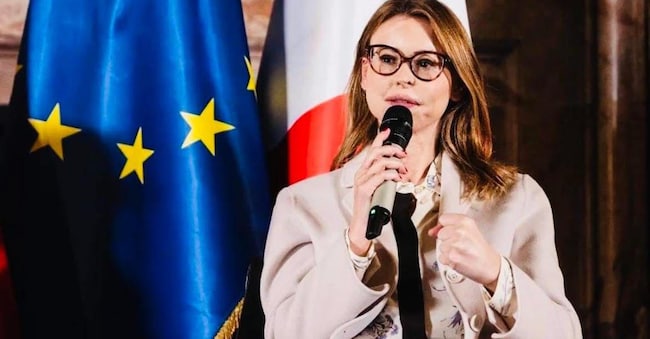
gender violence and strategies to counter it were discussed today at the Cariplo Conference Centre in Milan, on the occasion of the 12th edition of the Mariuccia Asylum Foundation Award. In the framework of the event "Red Benches. Voices, projects and actions against gender-based violence', the association - which has been on the front line in assisting women victims of violence and unaccompanied foreign minors for 120 years - announced a series of initiatives (the opening of two secret shelters in Milan and an anti-violence centre accredited by the Lombardy Region and the launch of an empowerment project with training and job search paths) and conferred its historic honour on the lawyer and MP Lucia Annibali in the name of a commitment on the issue dedicated, above all, to young people.
'Male violence is still too widespread, especially inside the home where children usually live,' Annibali concludes. "It is not an emergency phenomenon but a form of violent and structured prevarication that cannot be tackled only from a securitarian point of view, thus increasing penalties or creating new crimes, but we need to work on building a different social awareness, starting with the new generations".
More funds for prevention
In a framework such as the current one, where the gender gap (especially at work and in wages) is not narrowing, the legislative instruments - from the Red Code to the electronic bracelet - still seem to be insufficiently resolving and the allocated funds insufficient, concrete steps are needed from the institutions. And the intention to turn slogans into targeted actions. 'We must increase controls and act preventively, training the police in recognising cases of violence when they have not yet been ascertained,' Annibali clarifies. "This entails a substantial but necessary investment on the part of the state, increasing economic resources towards deterrence tools, I am thinking of bracelets. And keeping awareness of the problem high with awareness and information campaigns that last 365 days'.
Educating the new generations
.Disclosure and dialogue must also become compasses when approaching young people. A target audience that, data in hand, is increasingly exposed to the problem. And less and less educated to consent. "Each of us must strive to improve the structure of society, especially by fostering a different awareness among young people about the meaning of love and respect for the opposite sex. Wanting the good of a person does not mean acting in a logic of control and possession'. And it is in this perimeter that the synergy of all the profiles involved counts: 'In terms of educational responsibility, there is often a tendency to reason in watertight compartments. Instead, it is fundamental that school, family, all the actors that are part of society operate according to common logic. We must have the same goal: to promote equality and counteract all forms of abuse'.

