
Lunch breaks are becoming increasingly expensive, with prices rising by 300 per cent over the past 25 years
This is the finding of a study carried out by the Federconsumatori National Observatory, which compared current prices with those of the past

Key points
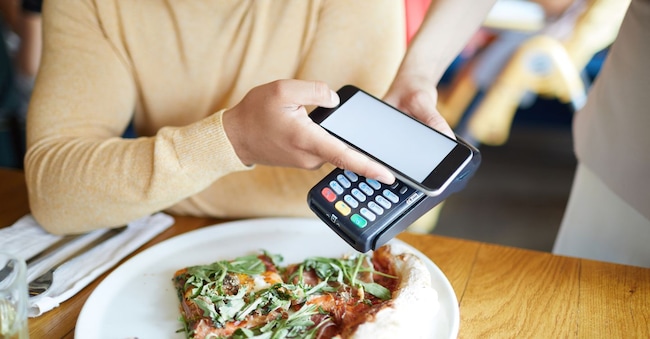
Lunch breaks are becoming increasingly expensive. And the price rises are being felt, as prices are now up by 8 per cent compared with last year. A comparison with 25 years ago also shows an increase which, depending on the case, reaches as high as 368 per cent. For this reason, some people are opting to bring a ‘lunch’ from home. This situation is described – along with some advice – in a study carried out by the ONF, the national observatory of Federconsumatori, which, after surveying prices, compares them with those of the past.
7 euros for a sandwich and a bottle of water
“A sandwich, a half-litre bottle of water and a coffee can cost up to 7 euros,” the Observatory points out. Anyone who eats out during their lunch break and decides to have a plate of pasta, a half-litre bottle of water, a dessert and a coffee spends an average of 16.19 euros. With these costs, the average weekly spend amounts to around 81.00 euros.” Over 25 years, the cost has risen by 193 per cent. The cost of a small bottle of water has risen by 323 per cent in a quarter of a century, whilst that of a plate of pasta has risen by 245 per cent. Looking at the prices, it becomes clear that over the same period, the cost of sandwiches has risen by 355 per cent and that of an ice cream by 368 per cent, whilst the price of a ‘pizzetta rossa’ has risen by 335 per cent.
These costs really add up when viewed over a month or a year. After all, the expenditure can range from 2,760 to 3,250 euros.
Costs must be reduced
Hence the need to cut back on these expenses too. “With wages stagnating and costs rising in many areas, workers are trying to save money on this item by opting for alternative, more economical solutions,” the ONF study emphasises. “Some decide to buy single-portion products or ready meals at the supermarket or in large retail outlets, which are offering an increasingly varied and imaginative range of options in this regard.”
Lunch from home
The most economical option is to bring your own lunch from home. According to the study, the saving – compared with what you would spend at a café or snack bar – is around 75 per cent. This approach ‘makes it easier to stick to any dietary requirements and, ultimately, saves the time spent queuing at the café, allowing for a short relaxing break or a gentle stroll before getting back to work’.

