
Food poverty: ‘One in three families has cut back on the quantity and quality of their food shopping’
Divulga Research Centre: food poverty affects 9.3 per cent of Italians and rises to 18.4 per cent among low-income groups

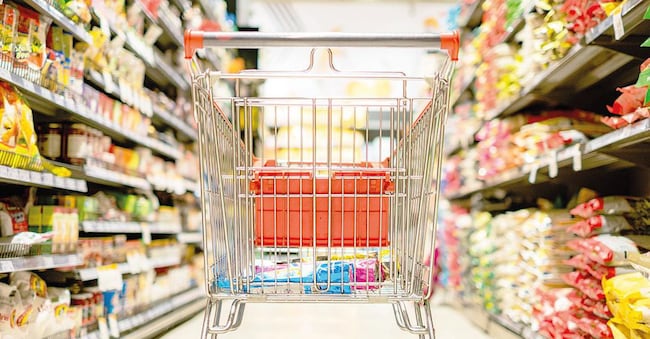
31 per cent of Italian households have cut back on the quantity and quality of the food they buy, partly due to the effects of the ongoing wars and the resulting rise in costs. This is according to the study “Wars and Food Insecurity” published by the Centro Studi Divulga, with data showing “a worrying trend, with one in ten households unable to afford a protein-rich meal (meat or fish) at least every two days”.
Food poverty affects 9.3 per cent of Italians and rises to 18.4 per cent amongst low-income groups, with almost 2.2 per cent of the population experiencing moderate or severe food insecurity; a figure that rises to 2.9% in the South, whilst in both the North and the Centre it stands at 1.8%.
The photograph from the Centro Studi Divulga highlights a structural crisis in steady deterioration. In 2025, 3.4 per cent of households were unable to cover their food costs at certain times of the year, rising to 4.1 per cent in the case of single-person households.
The situation in Italy forms part of a critical European context, characterised by a rate exceeding the EU average of 8.5 per cent for those unable to afford regular protein-rich meals. In Europe, financial difficulties relating to a healthy diet affect around one in five people in the low-income population.
“Italia is particularly vulnerable to the repercussions of global geopolitical crises,” admits Felice Adinolfi , director of the Divulga Research Centre. “ The constant price rises for fertilisers, fuel and technical equipment continue to weigh heavily on the finances of agricultural businesses, which are already struggling under production costs significantly higher than those prior to the outbreak of the conflict in Ukraine.”
And the consequences are felt in citizens’ shopping trolleys, Adinolfi points out, “because when the price rises accumulated along the supply chain are passed on to retail prices, it is not only general purchasing power that is reduced, but also families’ ability to choose their food. Whilst one in three people worldwide cannot afford a varied diet, in Italia and Europe this phenomenon translates into a gradual shift away from foods with high nutritional value.”


