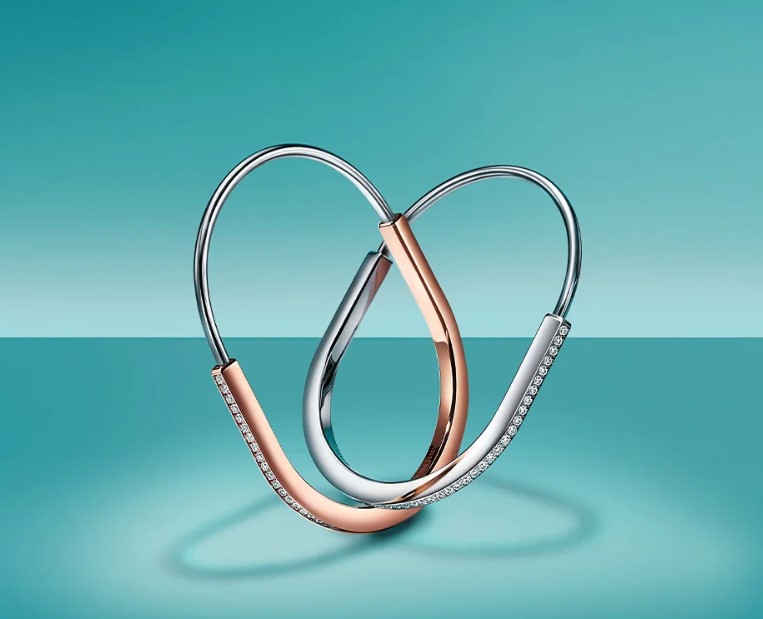
Luxury makes a comeback in China with creations for the Qixi Festival, the festival of love
This coming 10 August is the ancient festival of lovers, a precious opportunity for brands to revive a now very complex market with special products and campaigns that carefully interpret Chinese culture
3' min read
3' min read
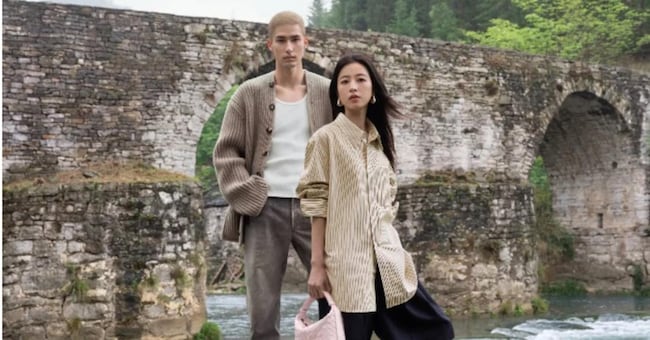
Legend has it that the young Zhinhu, a weaver and the daughter of a deity, fell in love with the shepherd Niulang, but that their forbidden love would turn them into two stars, forced to look across the two banks of the 'Silver River' (the Chinese name for the Milky Way) and only able to meet for one night each year, thanks to a flock of magpies that were able to form a bridge. This is the story celebrated by the Qixi Festival, an ancient celebration of love (it has been held since the first century B.C.) and also known as the 'Festival of the Double Seven' because it falls each year on the seventh day of the seventh month of the lunar calendar, which in 2024 corresponds to 10 August. Since the festivities also include gifts between lovers, or even experiences between simple friends, it is a shopping occasion not to be missed for fashion and luxury brands, grappling with a market that after years of strong growth is showing important signs of slowing down, but also of change, as shown by the half-yearly figures of the big groups and of many of the most important companies in the sector.
While we wait to see how Chinese consumers will behave on 11 November, the Singles' Day, another key date for shopping in the country (in 2023, according to estimates by the provider Syntun, the volume of sales on the main online platforms exceeded USD 156 billion), these days, numerous campaigns and special creations dedicated to the festival of love have been launched, where the places, symbols and formulas of Chinese culture are respected with great care, preferring images where references to the tradition and historicity of the festival itself can be found.
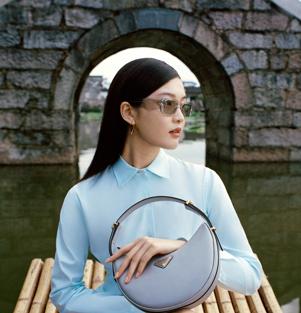
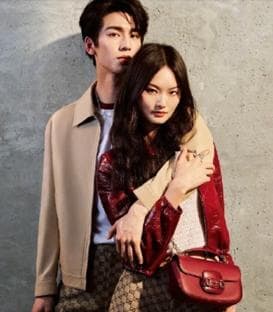
The campaign for the Prada collection, for example, is set in the village of Xingxi in rural Huizhou, known for its traditional architecture, and stars actor Li Xian and model Xie Xin. Similarly, Bottega Veneta chose actress Zhou Yutong and model Du Juan for a campaign shot in the mountains and featuring bespoke versions of Orbit trainers and Cabat bags for the Chinese market. Remaining in the orbit of the Kering group of brands, Gucci launched a campaign starring actor Zhang Linghe and supermodel He Cong, while Balenciaga signed a capsule with T-shirts in black and pink, hand-decorated with a white or red heart.
Dior opened a Dior Amour pop-up store dedicated to the Qixi in Beijing, with a special collection inspired by love, while Louis Vuitton opened its third boutique Le Chocolat Maxime Frédéric at the festival, the first in China, in Shanghai's Taikoo Li Qiantan mall.
Burberry, a brand that is currently going through a complex moment in its long history, which began in 1856 and was marked by the recent and sudden dieu of CEO Jonathan Akeroyd, focuses instead on the swan motif, a symbol of love and fidelity, with two birds arranging their long necks to form a heart and which is proposed on clothing and accessories. Moynat collaborated with stylist and infliencer Lucia Liu who reworked the BB Duo bag by decorating it with symbols of love such as albizia flowers, butterflies and beans.