
Luxury sector falters, with eyes on Asia and the Middle East; Cucinelli down in Milan
The resumption of tit-for-tat attacks between the United States and Iran and the strengthening of the Japanese yen are putting pressure on shares in the sector

Le ultime da Radiocor
***Volvo Cars: III trim in perdita con -23% ricavi, tagliera' 2.500 posti di lavoro
***Giappone: inflazione sale a 2,1% annuo a settembre da +1,9% di agosto
Giappone: stabile a 52,3 indice Pmi ottobre, migliorano i servizi
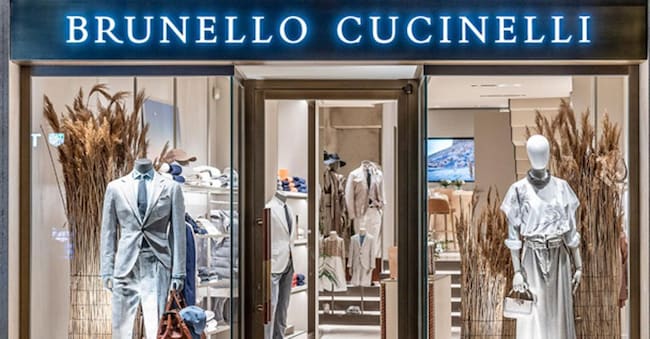
(Il Sole 24 Ore Radiocor) - The resumption of tit-for-tat attacks between the United States and Iran and the strengthening of the Japanese yen are putting pressure on European luxury stocks, whilst investors continue to monitor economic data from Asia for signs pointing to a recovery in consumer spending. Against this backdrop, shares in Milan are trading lower Brunello Cucinelli , Moncler and, outside the main index, Salvatore Ferragamo. In Paris, meanwhile, Kering (-2.84%), Hermès (-2.64%), LVMH (-2.27%), L’Oréal (-1.68 per cent) and Essilux (-1.07 per cent) are down in Paris, whilst Burberry is down 1.91 per cent in London and Cartier’s holding company, Richemont, is down 2.11 per cent in Zurich.
Despite positive signs from the services sector in China and Japan – which picked up pace again in both countries in August – the sector is being unsettled by the yen’s surge (with the dollar down 1 per cent against the Japanese currency to 157), in the wake of a possible monetary tightening by the Bank of Japan later this month. According to market participants, such a prospect could in fact further dampen high-fashion spending in Japan, by both tourists and local consumers.
Furthermore, it risks forcing European brands to adjust their list prices to offset any exchange rate effects. All this whilst the sector is still grappling with the consequences of the war in Iran – which is affecting spending by high-spending customers from the Gulf states – and the slowdown in consumption in China, with the country’s economic stimulus policies having as yet failed to trigger a recovery.
Despite the positive signs emerging from the latest quarterly results and the stabilisation of share prices in the sector on the stock market (which, up until May, had underperformed the broader market by 25 per cent), the luxury sector and “cyclical consumer stocks remain in the eye of the storm, with earnings warnings and cautious forecasts – writes JPMorgan – but could perform better in the future”. In particular, analysts believe that South Korea could become “a growth driver with retail sales so strong that this market” could offset declines in the Middle East. Meanwhile, “Chinese demand is expected to start improving as the macroeconomic environment stabilises”. Furthermore, on a general level, it appears that “the worst is behind us” as far as weak earnings are concerned.
However, the recovery could still prove fragile for market participants, with recent negative data on Chinese imports and the increase in taxation on assets held abroad in the country likely to dampen spending in July and August. “On a weighted average basis at regional level, global luxury figures point to a slowdown of three percentage points in the third quarter of 2026 compared with the second quarter,” writes BofA, “and this does not yet include September, the month presenting the most challenging year-on-year comparison.”


