
LVMH stems the luxury crisis: debt down, revenue holding up
Chairman and CEO Arnault: “Confidence in the long-term potential.” Organic growth of 2% to 36.8 billion; only jewellery and watches posted double-digit growth (+11%)

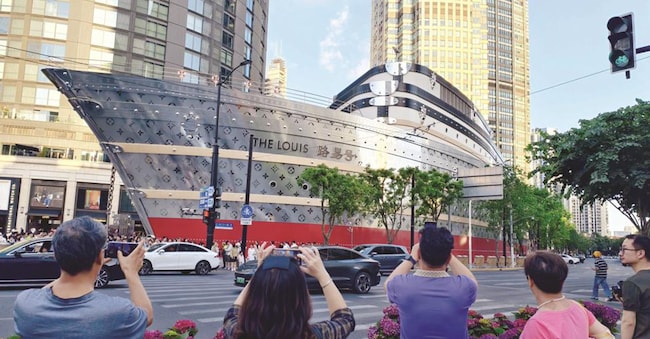
It is the world’s largest luxury group, with revenues roughly four times those of the second-largest (Richemont). Its flagship brand, Louis Vuitton, is the largest in terms of revenue and the most famous in the world: when LVMH announces its figures, the entire sector takes note and acts accordingly, all the more so during a slowdown that has been ongoing since 2025, starting with LVMH itself.
Since the start of the year, the share price has fallen by 28.42 per cent, compared with a 2.7 per cent rise in the CAC 40 in Paris. The market capitalisation stands at around 230 billion, 21 times the net profit for 2025. On 27 July, the day the first-half results were announced, the share price closed at €464.05, up 0.51 per cent, in line with the CAC 40 (+0.71 per cent).
Whether this slight rise was a sign of renewed investor confidence remains to be seen in the coming days, but shares traded in New York at 5.00 pm Paris time today had fallen by 1.8 per cent, hitting a low not seen since June 2025.
Organic revenue growth in the first half of the year stood at 2 per cent to 36.8 billion, and at 3 per cent in the second quarter alone. The watches and jewellery division posted double-digit growth (+11%), confirming the strong performance of ‘hard luxury’, as already indicated by the figures from Richemont, the Swiss group whose portfolio includes Cartier, Van Cleef & Arpels and Buccellati.
However, with revenue of 5.225 billion, the division ranks third within LVMH, behind Fashion & Leather Goods (18.1 billion) and Selective Retailing (led by Sephora at 5.4 billion).


