
Budget Law 2026: new taxes on non-EU shipments, short-term rentals and financial transactions
From 2026 come subsidies on non-EU parcels, differentiated rates for tourist leases and doubling of the Tobin Tax to curb speculation

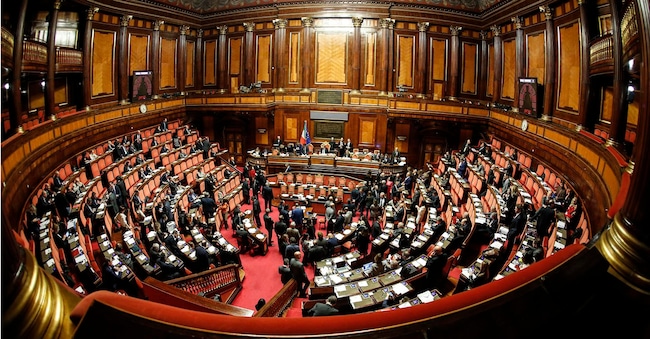
The parliamentary path of the Budget Law 2026 is in its final stages. With the vote of confidence expected in the Senate before Christmas, the final text crystallises a series of tax interventions that redesign the levy on e-commerce, tourist real estate and financial income.
The e-commerce squeeze: tariffs on micro-packages
The most talked-about measure of the last few weeks is confirmed in the final articles. As of 1 January 2026, the levy on non-EU logistics flows, renamed the 'parcel tax', will be triggered. The rule imposes a fixed contribution of 2 euros on all shipments with a value of less than 150 euros from countries outside the European Union. The Ministry of Enterprise and Made in Italy defended the measure as a necessary equalisation with respect to the costs incurred by physical retailers. The General Accounting Office's estimates, reported in technical dossiers, calculate an estimated 327 million shipments involved per year. Despite criticism from e-commerce platforms, the government kept to the point, ruling out substantial changes in the last passage through the Budget Committee.
Short-term rentals: the double track of cedular
On the real estate front, the 2026 Manovra closes the long negotiation on the taxation of tourist leases. The final version of Article 7 establishes a two-rate system for the flat-rate tax. The levy remains at 21 per cent exclusively for the first property unit rented by the taxpayer. Starting with the second property rented out under the short-let formula (duration of less than 30 days), the rate rises to 26%. The most significant squeeze, however, concerns timeshare owners: from the third property onwards, the presumption of entrepreneurial activity is triggered. Owners will be obliged to open a VAT number, leaving the flat-rate cedolare regime and returning to ordinary Irpef taxation, with the related accounting and social security obligations. The declared objective is the emersion of the underground economy and the regulation of a market hitherto characterised by a high degree of fragmentation.
Banks and doubles the Tobin Tax
The intervention on financial taxation, in particular on high-frequency trading, is confirmed. The so-called Tobin Tax rate on financial transactions doubles from 0.02% to 0.04%. The measure, aimed at disincentivising algorithmic speculation, is expected to generate an estimated extra revenue of EUR 337.3 million as of the next financial year. The deductibility percentage on banks' loss carry-forwards will decrease from 43% to 35% in 2026 and from 54% to 42% in 2027. IRAP is increased by 2%, but entities with a lower tax base are excluded and a EUR 90,000 exemption applicable on the higher tax due (+2%) is introduced only for the tax years 2027 and 2028.


