Mars may not be Earth’s ‘brother’. Japan launches mission to Phobos
A study by the University of Copenhagen is sparking debate amongst scientists. Meanwhile, the Japanese MMX probe is set to launch

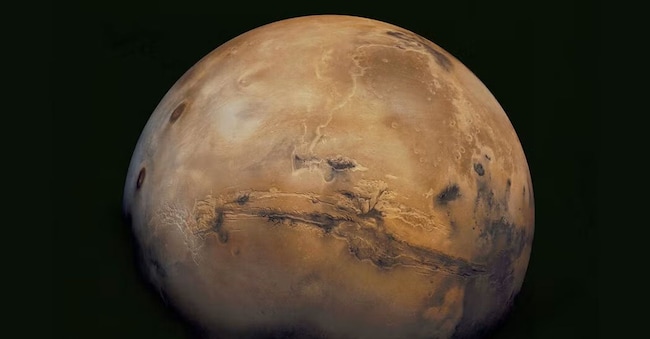
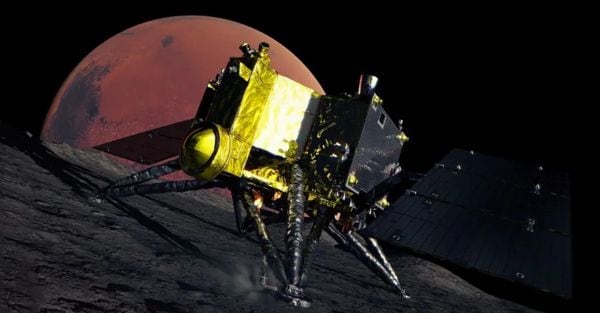
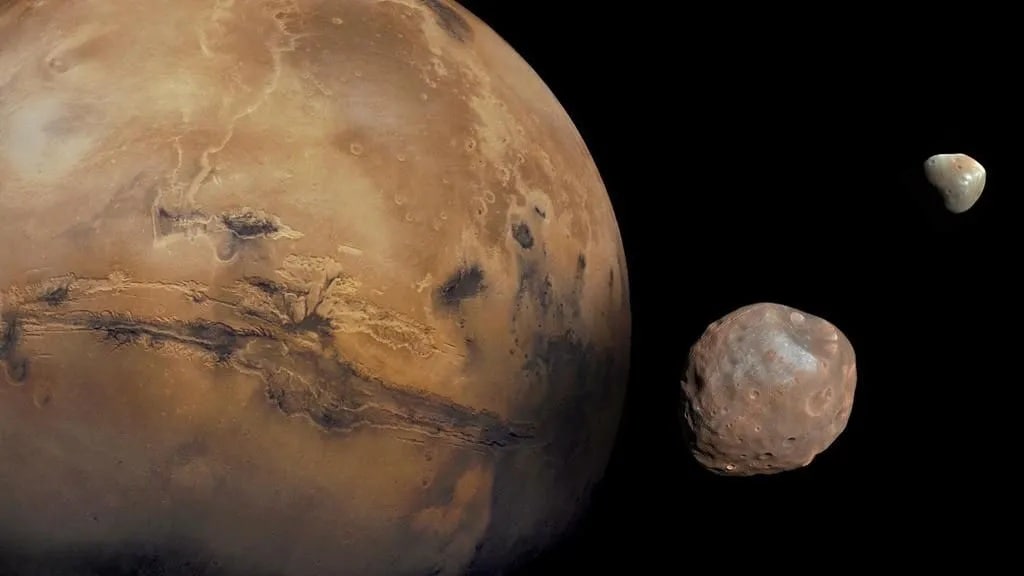
Mars is back in the spotlight: from being Earth’s twin, the Red Planet may, perhaps, be downgraded to a distant relative. Meanwhile, the Japanese probe MMX, a marvel of cutting-edge technology, has set off for Mars, but it will not land on the planet; instead, it will reach one of its two small moons: Phobos. If all goes well, in 2031 it will bring back ten grams of material collected from Phobos to Earth.
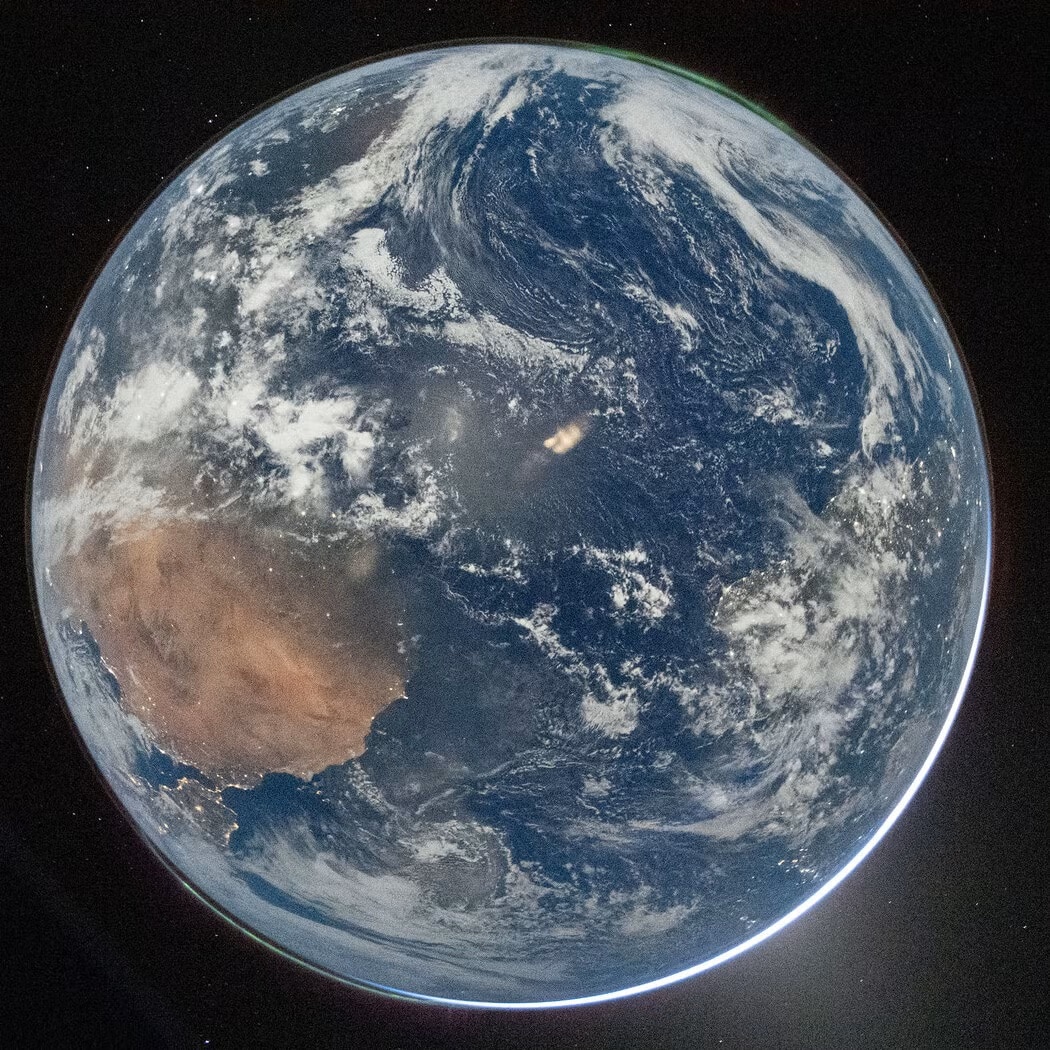
Earth and Mars have long been regarded as ‘sister’ planets, even though Mars is considerably smaller and, for the time being, uninhabitable. Much more similar in size would be Venus, which is, however, practically inaccessible due to the extremely dense clouds that create a greenhouse effect, causing the surface temperature to reach 400 degrees.
Our planet and Mars, however, were formed around 4.5 billion years ago – practically at the same time – from the material surrounding the Sun that had just formed: rocks, small asteroids, dust and gas. Yet today we live in a world full of oceans and seas and teeming with life, whilst the other is a desolate wasteland, with a virtually non-existent atmosphere that offers no protection against life-threatening radiation and elementary particles arriving from the cosmos.
Mars and Earth: different origins?
It is now thought that the difference could also be the result of an origin which, in the case of the two planets, was not at all similar – as had been thought until a few days ago – but may well have been very different. Mind you, this is a new study published just a few days ago in the highly regarded journal *Nature Astronomy*, but it has been received with interest by the scientific community and promises further developments.
The two planets formed by bringing together large, asteroid-like boulders and small bodies – almost like pebbles and dust – but in very different proportions. It’s like two cakes made with the same ingredients, but used in completely different quantities in each case: one cake turns out lovely and moist, whilst the other turns out dry and crumbly.