

Menopause: people are talking about it more, but not with their doctor; one in two women hides her symptoms
Alongside lifestyle interventions, hormonal and non-hormonal treatment options are available, to be assessed on the basis of symptoms and medical history
by Rossella Nappi*
 Aggiungi Il Sole 24 Ore
ai preferiti su Google
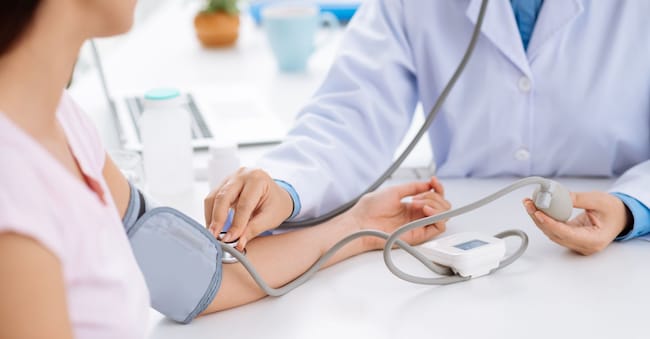
People are talking about it more, but not enough to seek help. The menopause is becoming less of a taboo, yet it remains a stage of life in which many women tend to downplay the symptoms, regard them as inevitable and put up with them in silence. The problem is that what is perceived as normal is not always without consequences: from hot flushes and sleep disturbances to changes that can affect long-term health, the menopause requires more information, a listening ear and greater awareness.
And the findings from a recent survey carried out by AstraRicerche highlight precisely this contradiction: 70.6 per cent of those surveyed believe that the topic is discussed more openly today than in the past, but 65.2 per cent still consider the level of discussion on the subject to be insufficient. Furthermore, 26.8 per cent have never discussed the subject with a doctor and, amongst women who report symptoms, 30.8 per cent have not discussed them with a healthcare professional.
Bringing about cultural change
These figures give us food for thought: cultural change has begun, but it is not yet complete. The menopause has become more visible, without necessarily being recognised in all its complexity. Almost half of those interviewed had taken at least some action to conceal the menopause, ranging from hiding the symptoms (38.1 per cent) to concealing a hot flush when in the company of others (21.1 per cent).
The first hurdle is to view the symptoms as inevitable. The menopause is a natural stage of life, but this does not mean that every symptom must be accepted as inevitable or that it does not warrant attention. When hot flushes, insomnia and mood swings are regarded as a normal consequence of ageing – symptoms that can have a real impact on daily life – there is a risk that women will give up on seeking help and exploring the options available to improve their well-being. Work can also be affected: 32 per cent of female workers with moderate or severe daily hot flushes report days when their productivity is lower, whilst 56 per cent of those who sleep poorly for at least four nights a week find it difficult to concentrate. And
Lifestyles and treatment options
However, there is no single form of the menopause, and there is no one-size-fits-all solution. Alongside lifestyle changes, there are hormonal and non-hormonal treatment options available, which should be discussed with your doctor based on your symptoms, medical history, any contraindications and individual preferences. A new non-hormonal treatment, elinzanetant, has been available for a few months now, broadening the range of options currently on offer and providing an innovative solution for an increasingly personalised approach to symptom management. This is an important step forward, particularly for women who cannot or do not wish to use hormonal treatments. The aim is not to medicalise a natural stage of life, but to ensure that a woman does not have to resign herself to living with symptoms that affect her wellbeing.

