
A Midsummer Dream in Seven Corners of the Mediterranean
Menorca: protected natural areas and a history stretching back 4,000 years

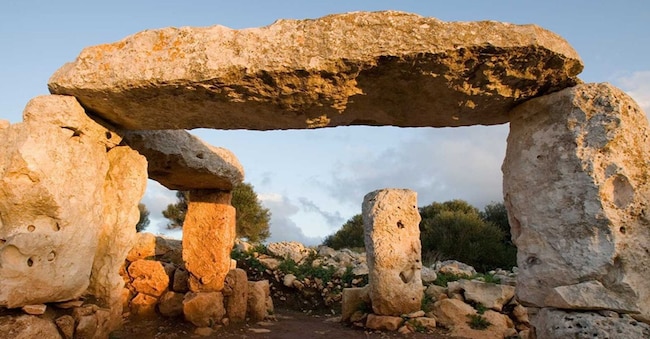
The sea, coves, footpaths, green spaces, archaeology and a less intrusive approach to tourism compared to the other gems of the Balearic Islands that are more exposed to mass tourism. Menorca is a perfect example of the Mediterranean to be experienced beyond mere seaside holidays, and among its many merits is, not surprisingly, the fact that it has built its identity on the protection of the landscape. Designated a UNESCO Biosphere Reserve, the island boasts over 200 kilometres of coastline, more than a hundred beaches and coves, and an inland area where woodland, pastures and dry stone walls alternate with villages. The most fascinating route for exploring it is the Camí de Cavalls, a historic trail that allows you to reach some of the most secluded bays on foot, from the northern coast – shaped by the tramontana wind and characterised by reddish rocks – to the tranquil, turquoise coves of the island’s south, where you can enjoy water sports such as canoeing, snorkelling and boat trips. The ancient side of Menorca, on the other hand, boasts an archaeological heritage of over 1,500 sites, with megalithic structures dating back more than 4,000 years: the Naveta des Tudons, the Cala Morell necropolis and the settlements of Torre d’en Galmés and Talatí de Dalt – some of which can be reached via rural footpaths – are the traces of this prehistoric civilisation. Your exploration of the island is rounded off by patron saint festivals, craft markets and events linked to Menorcan equestrian traditions, which run throughout the season until September (the calendar of events is published on the official Balearic Islands website). Finally, when it comes to dining, the island’s culinary delights include dishes such as caldereta de langosta, rounding off the experience with a glass of Menorcan gin.

