Mercedes GLC EQ 400 4Matic, the test of the first electric suv of a new kind
The new model revolutionises the company's iconic styling elements both inside and out, and debuts a sophisticated digital platform that manages every function of the car, along with many new electric technologies integrated in an 800 V architecture

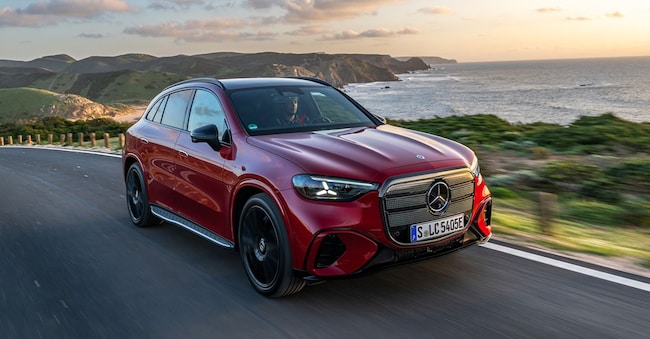
The new battery-powered suv named after those with heat engines to which it is flanked is a real milestone in Mercedes' century-old history. In fact, the GLC EQ is the progenitor of a new generation of full electric models in the medium and large size range. Hence, it has nothing in common with the very recent compacts of the CLA family based on a multi-energy architecture, suitable for both electric and hybrid powertrains, nor with the larger EQE and EQS and their SUV derivatives. It arrives practically at the same time as its main rival: the iX3, progenitor of Bmw's Neue Klasse. The battery-powered GLC debuting with the powerful 400 4Matic version introduces new styling canons along with sophisticated electric and digital technologies that will be taken up by the announced C-class EQ to be marketed at the end of the year and, later, by many other Mercedes.
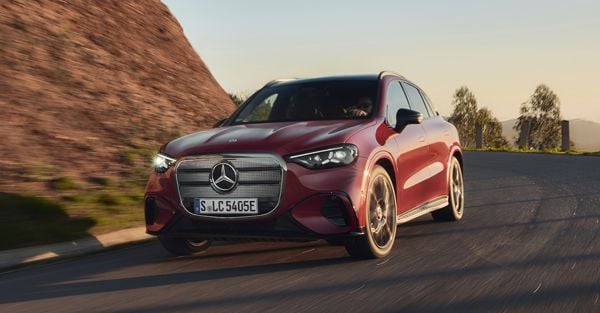
Mercedes GLC EQ 400 4Matic, the front end says it's all new
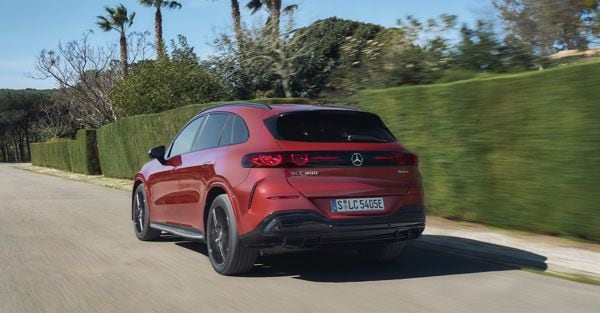
The silhouette of the new electric suv is not far removed from that of the current GLC, but it is more fluid and spreads out over larger dimensions as its length reaches 4.86 metres, width 1.91 metres, height 1.65 metres and wheelbase 2.97 metres. The appearance of the electric GLC is the result of a new stylistic course, conveyed by the evolution of the most iconic component of Mercedes design: the grille. In fact, it projects tradition into the future by becoming a purely aesthetic element, abdicating the chrome grille and becoming a sealed panel, as indeed the typology of electric cars dictates. It is also offered in a version illuminated by a thousand LEDs that can originate animations to launch warnings and information to other road users. Just as the front and rear light signatures do. The GLC EQ therefore exudes an expression that no other Mercedes has, but that future ones will have. The line is defined by soft surfaces with fewer edges than those of the GLCs with thermic engines, the belonging to the suv galaxy is conveyed by the muscular wheel arches and the sporty character both by the attention paid to aerodynamic profiling aimed above all at optimising efficiency and by the spoiler at the end of the roof. Among other things, the two trim lines envisaged for Italia are aesthetically different because the entrance one features traditional handles instead of the more expensive retractable ones which, although they manage the locks with a mechanical system, come out of the doors electrically. That is, those that China is banning but for which Mercedes has immediately prepared an alternative, perhaps also thanks to rumours gathered in advance by the major shareholders: the Chinese Beijing State-Owned Assets and Shu Fu Li, founder of the Geely group.
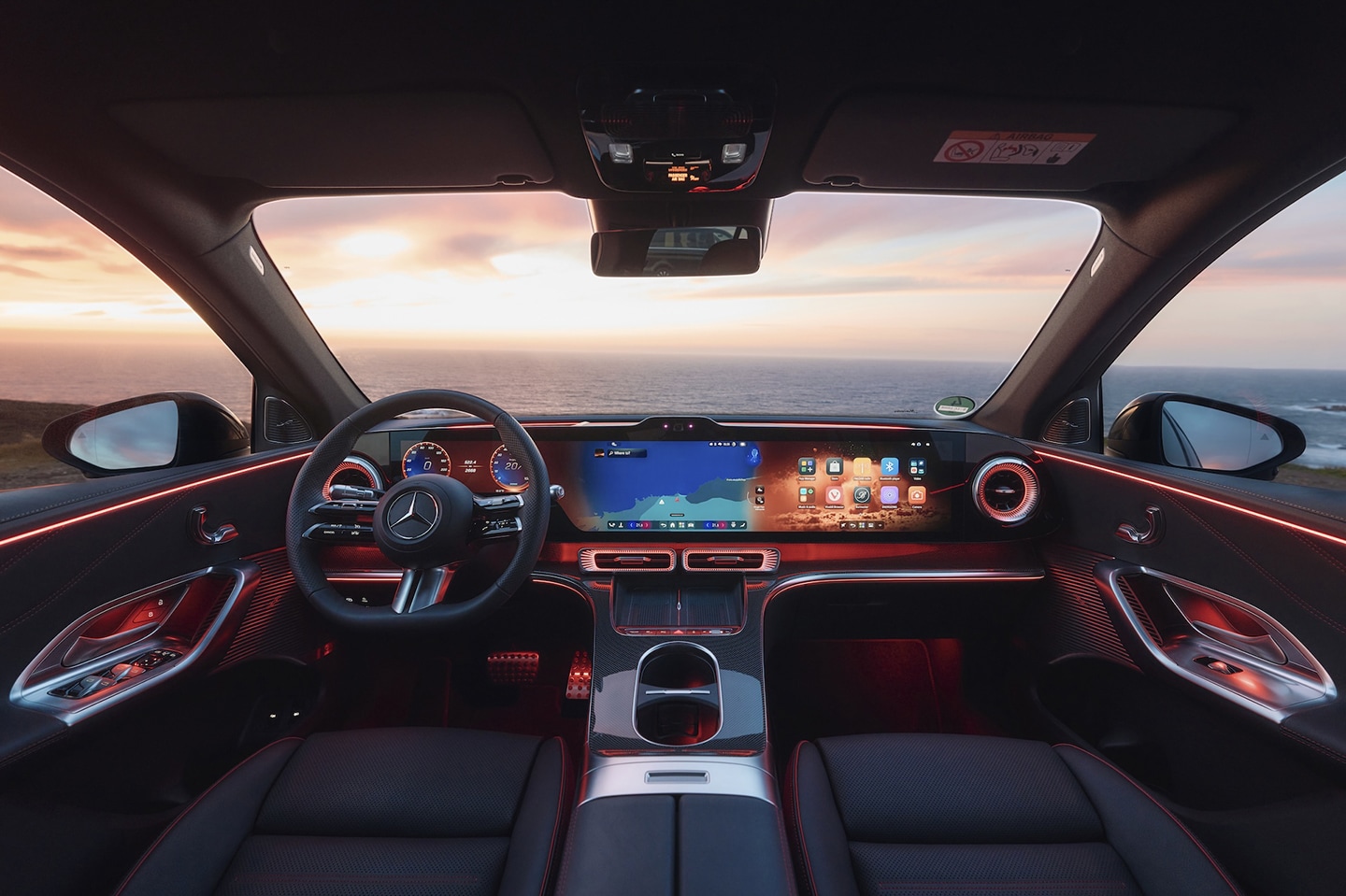
Mercedes GLC EQ 400 4Matic, a concentrate of advanced hi-tech
Before we get into the cockpit of the GLC with EQ technology as Mercedes calls it, let's take a look at its X-ray. This model rests on the new MB.EA platform for electric native models developed for mid-size and large models, which is capable of handling up to 670 horsepower and incorporates the MB.OS digital operating system. This manages and connects infotainment, automated driving system, body functions, dynamism, powertrain, comfort and charging technologies based on parameters detected by radar and cameras.
The MB.EA architecture is suitable for both single- and twin-engine two-wheel drive versions, just like the version with which the electric GLC debuts. That is, the 400 4Matic powered by a twin-engine powertrain with 490 bhp and 800 Nm of torque that generates all-wheel drive with a two-speed gearbox, which comes into play depending on driving conditions and the car configuration used. The former supports acceleration and pick-up, towing capacity and efficiency in traffic; the latter high-speed cruising. The 800 V electric architecture incorporates a lithium-ion battery with a net capacity of 94 kWh. It promises autonomy of up to 715 kilometres, is rechargeable with 11 kW alternating current and up to 330 kW direct current from 10 to 80 per cent in 22 minutes, and allows a reset to travel 300 kilometres in 10 minutes. This GLC touches 210 km/h and reaches 100 km/h 4"3, with an average consumption of 18.9 kWh/100 km.
Other key technologies include Ai-supported automatic regenerative braking and one pedal braking modes, front electric motor disconnection when no action is required, and all-wheel drive that distributes power more to the rear axle in the Sport configuration and distributes it equally to the two axles in the Terrain configuration. On request, there is a package with a steered rear axle and Airmatic suspension.