
Meta Ray-Ban Display: what's new in the new generation of Ai glasses with augmented reality
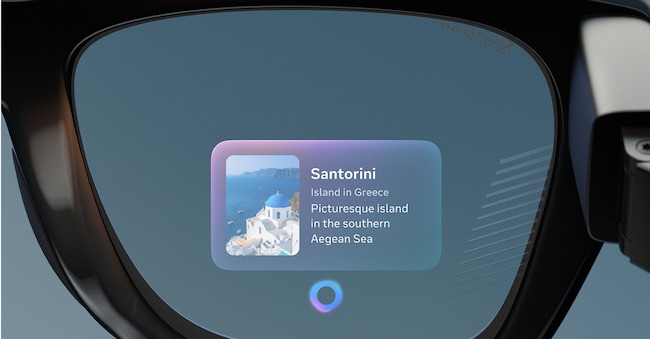
The most important prerogative is the integration of a high-definition colour micro-screen in the right lens

3' min read
3' min read
Meta Ray-Ban Display: this is the name of the device that more than any other marks the new front in the solid collaboration between EssilorLuxottica and the company led by Mark Zuckerberg. The occasion to make official the novelties that will mark the wearable proposal of the two companies was Meta Connect, the annual event of the Californian BigTech that takes place in Menlo Park, and it was the founder of Facebook who contextualised the essence of the evolution of the so-called AI Glasses. "Glasses," said Zuckerberg, "are the only device that allows artificial intelligence to see what you see, to hear what you hear. Introducing the Meta Ray-Ban Displays, Meta's CEO christened them the "most extraordinary product ever" and the one that "enhances years of innovation in the world of computer vision and AI, once again underlining his conviction that he is (alongside EssilorLuxottica) on the right track to create "the ideal platform to support superintelligence". The CEO of EssiLux, Francesco Milleri, was obviously also enthusiastic about the new milestone achieved, recalling the goal of having "transformed smart eyewear into an accessory desired and worn by millions of people", thanks to the ability to integrate cutting-edge technologies into an iconic pair of glasses in a completely invisible way, and opening up new horizons of innovation with the latest collaboration with Meta, combining the greatest expertise in lenses and design on the one hand and in AI and software architecture on the other.
How they work and how they differ from their predecessors
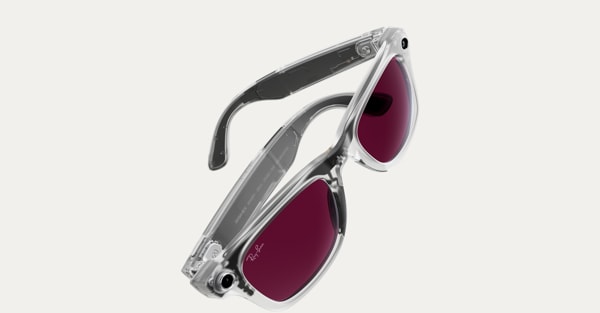
The most important prerogative of the Meta Ray-Ban Displays, the one that distinguishes them from the 'old' generation of EssilorLuxottica branded smart glasses, is the integration in the right lens of a high-definition colour micro-screen that discreetly displays incoming messages, previews of photos and videos that are about to be taken or recorded, various types of content, directions and instructions generated by artificial intelligence. The display is only visible to the wearer of the glasses, does not create disturbance and distraction and allows the person to consult maps and social profiles or listen to music (thanks to the speakers integrated in the temples of the glasses) without having to use a smartphone. Giving intelligence to the device, in fact, is a bracelet, the Meta Neural Band, which uses electromyography to navigate the functions of the glasses through simple gestures such as slight movements of the hands or touches of the fingers. To summarise, there are two innovations that the Meta Ray-Ban Displays bring: an augmented reality that finally promises to be functional and efficient, and an interface that harnesses neural technology and sensor work to interact with the device in an easy and intuitive way. The new glasses will be available with Transitions lenses included and a case with integrated recharging system (battery autonomy is up to 18 hours), they will be customisable with individual prescription for eyesight and will land in US shops from 30 September with an entry price of $799. To see them in Italy we will instead have to wait until the beginning of 2026 while for those who want to remain faithful to the original model of Ray-Ban Meta the good news for those who decide to buy a pair from now on (the Gen 2 models, available in Italy at 419 euros) is the doubling of battery life, extended up to 8 hours, and the presence on board of a 12MP ultra-wide camera capable of recording video in 3K Ultra-HD resolution.
Upgrades coming soon and the Oakley Meta Vanguard
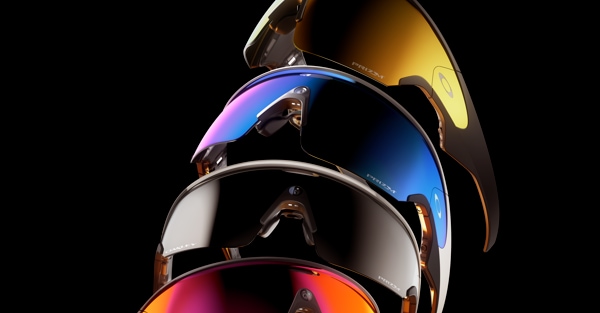
.While waiting to see the first results of what can be considered the application of agent technologies on wearable devices, i.e. the enabling through a voice command of Meta AI's generative artificial intelligence tools to monitor the context around us and receive indications targeted to our questions, the two companies also announced a series of updates that will soon affect the entire series of products available on the market. These include Conversation Focus, which uses the AI Glasses' open-ear speakers to amplify the voice of the person you are talking to, helping to distinguish it from background noise in crowded environments such as bars, restaurants, parks and other noisy places. Also coming to the shelves is another of the innovations announced at Meta Connect, namely the Oakley Meta Vanguard, AI-powered glasses with water-resistant tinted lenses aimed especially at athletes and sportsmen. They can take photos and record high-resolution videos in slow motion and hyperlapse mode with the ultra-wide 12MP camera installed as standard, promise immersive audio and five microphones to reduce wind noise during calls and texts (or Meta AI's use of voice), and support the Garmin and Strava platforms to provide detailed feedback and analysis of one's performance in real time. They are on pre-order for $499 (€549) at Oakley.com and Meta.com.

