Mines, culture and visionaries: the hidden history of Aspen
Today a favourite destination for luxury holidays, adored by the Bezos, in summer the city reveals a different soul, full of festivals, art fairs, music, meetings. And memories of its origins
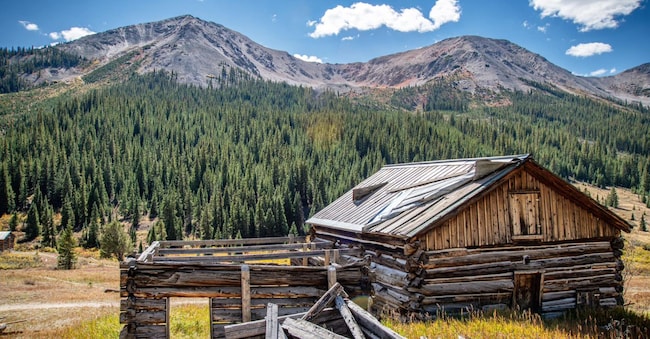
This year, when the snow reached its lowest level since 1978, in certain places on the mountains the white glow came only from the trunks of the 'aspens', the peculiar poplars that give the town its name. The winter season will end on 19 April, the day when the 500 km of slopes in the Snowmass area will close, the billionaires and stars who spend their holidays or weekends in their villas on Red Mountain (one of the most expensive areas in the whole country) will change destination, most hotels and restaurants will close. And after a few weeks of rest, when the aspens will be dressed in leaves, Aspen will show its less known and more interesting side, full of art, music, literature and festivals to reflect on the future of the United States and the world.
Silver prospectors' stories and other curiosities
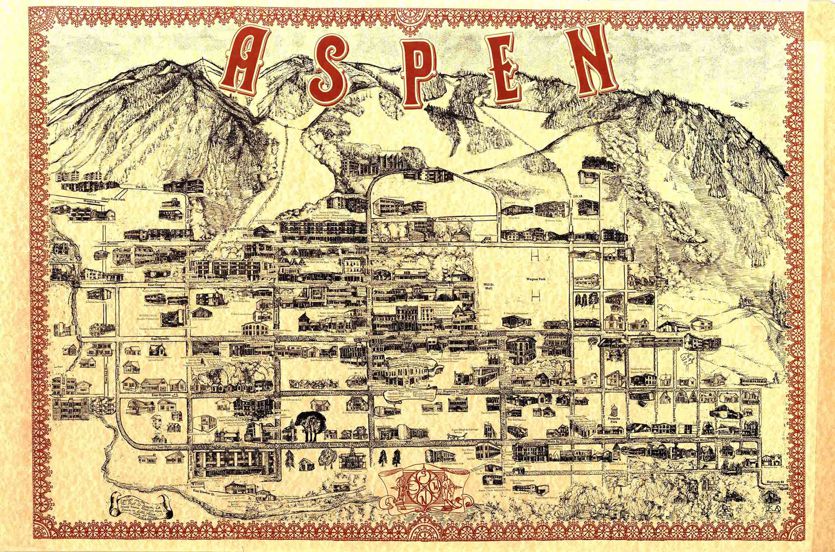
The very history of the city - less than 7 thousand inhabitants at 2,400 metres in the mountains in the heart of Colorado, and on the banks of the Roaring Fork River - is in some ways obscured by its present, fuelled by the star system that frequents it. To discover it, the best way is to go to the beautiful Victorian mansion in the residential West End, not far from the centre, which houses the headquarters of the Aspen Historical Society: each room investigates a decade in the history of Aspen, born in the late 19th century as a town of silver prospectors, who occupied and exploited the territories of the native Ute and became so rich that they transformed a cluster of huts into a centre with a luxurious hotel like those in Paris, electric lighting and an opera house.
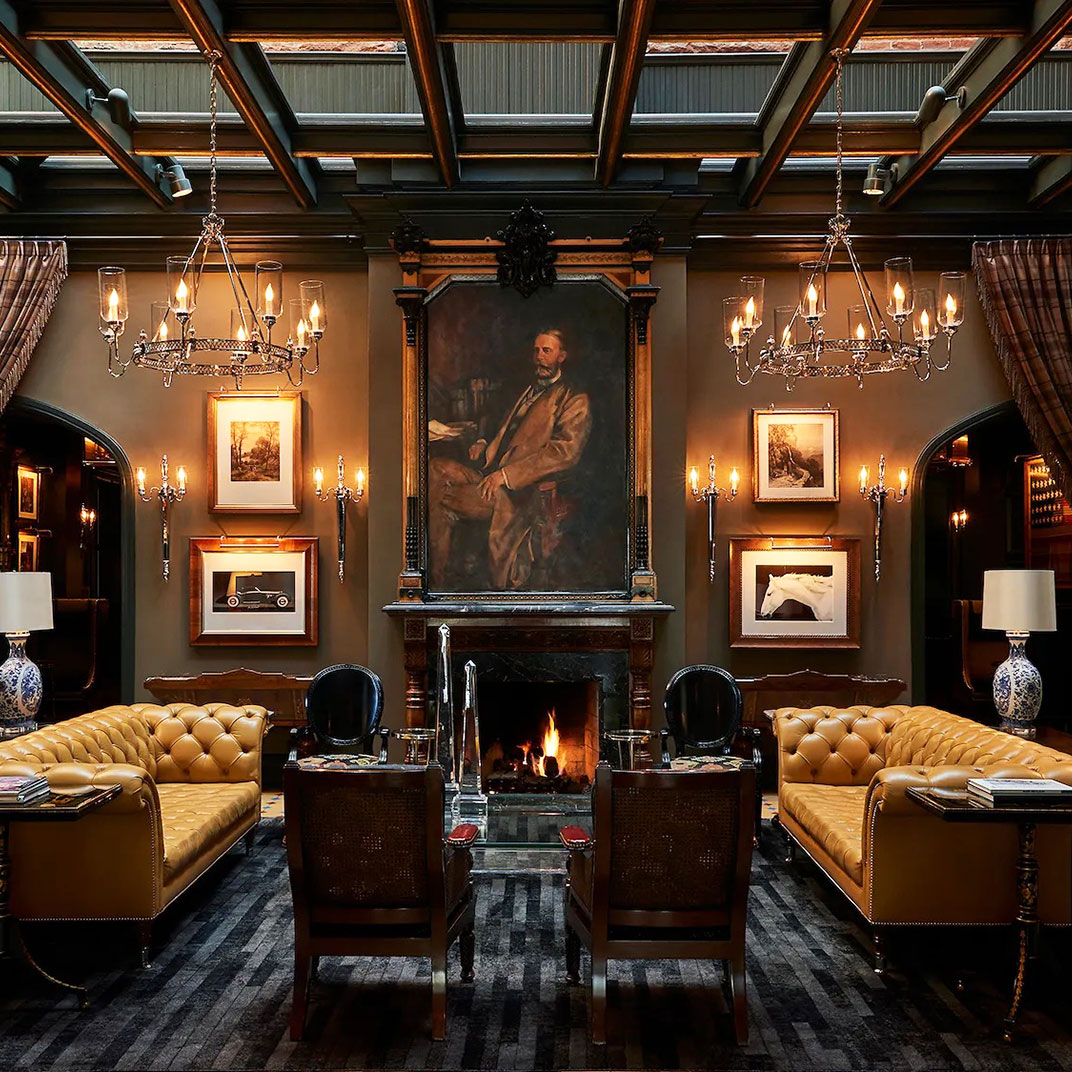
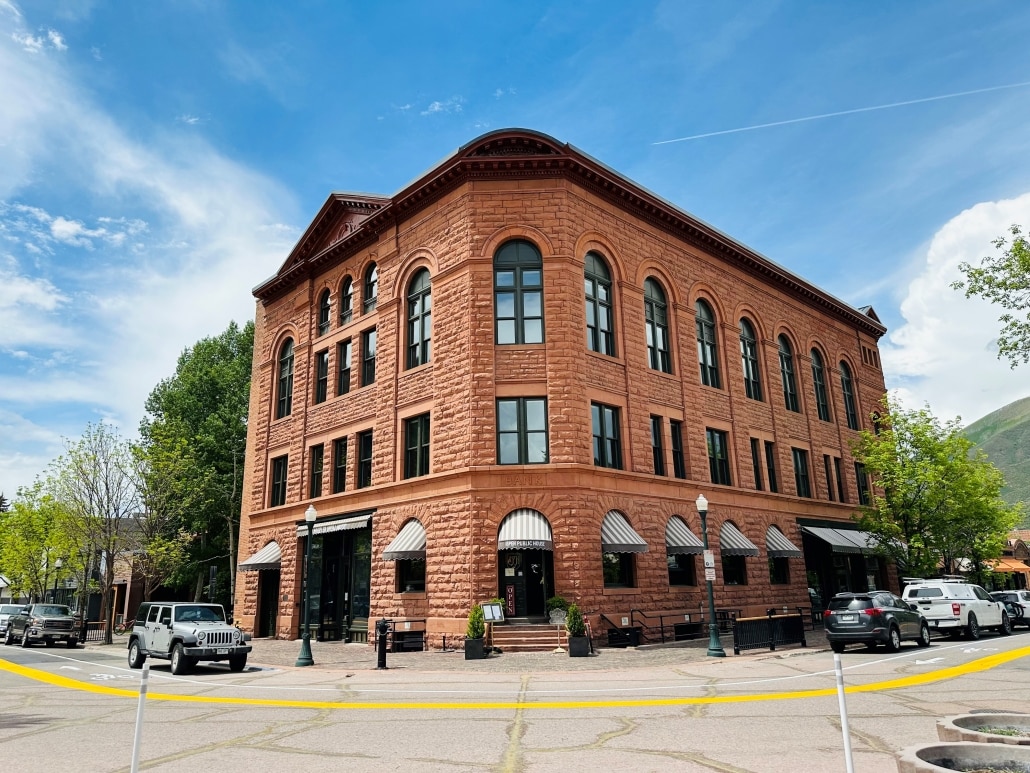
Bringing these luxuries to the city was Jerome B. Wheeler (former owner of the house-museum), co-owner of the Macy's department store, who invested in the city's mining and urban development. The Jerome, a hotel in the heart of Aspen, is also named after him. Like the Wheeler Opera House, it is still a landmark of Aspen's vibrancy and boasts original architecture enriched by the patina of time.
The 75th anniversary of the Aspen Institute
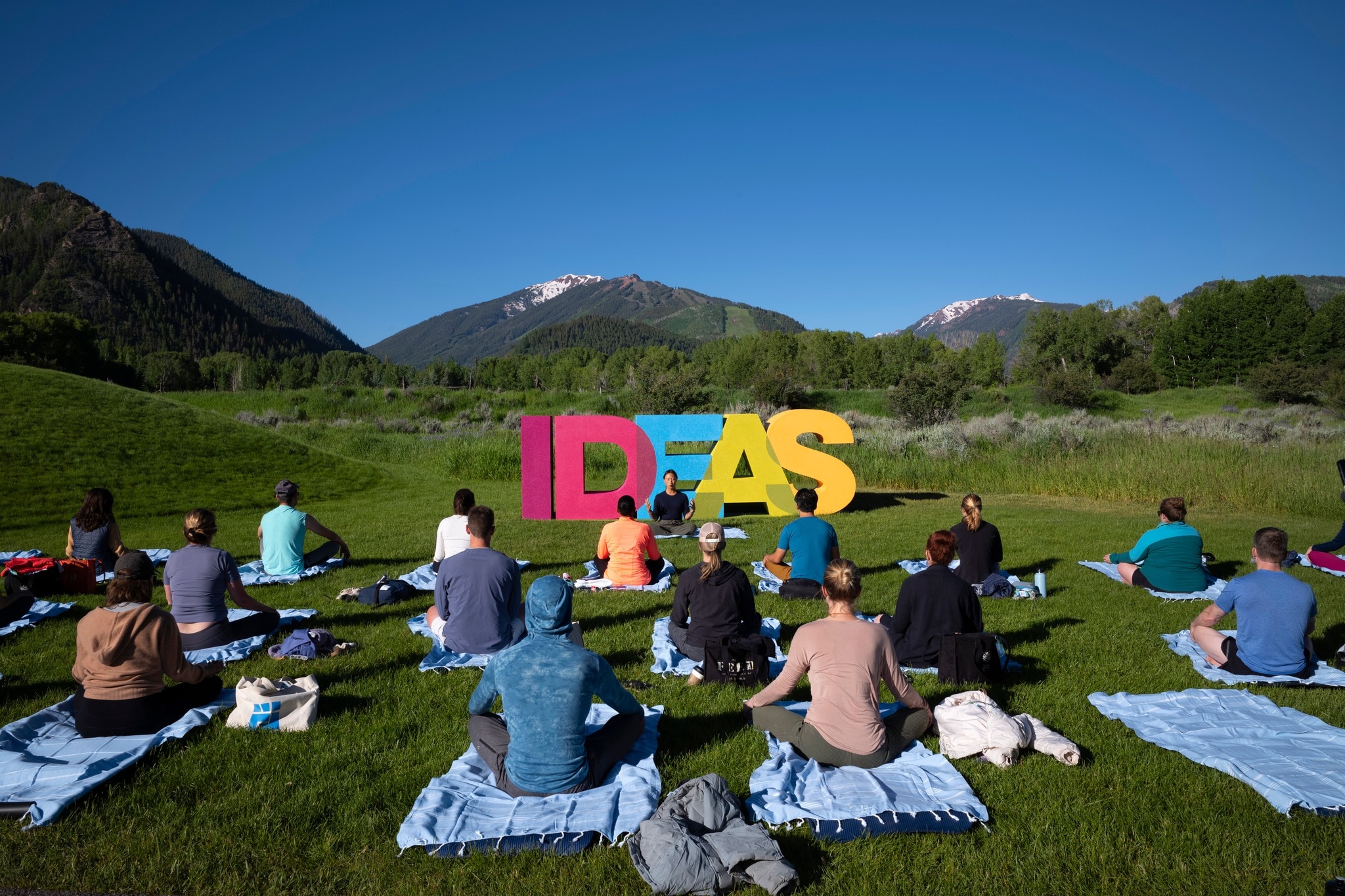
ùAfter the end of the silver rush, which brought Aspen almost to the point of abandonment, it was another entrepreneur, Walter Paepcke, a Chicago packaging magnate, who marked its destiny: in 1949, with his wife Elizabeth, he chose Aspen to organise the celebrations for the 200th anniversary of Goethe's birth, calling on the leading intellectuals of the time to reflect on the destiny of the world, just emerging from the Second World War. Thus was born the Aspen Institute, the progenitor of the world's think tanks, which is preparing to celebrate 75 years with the Aspen Ideas Festival (25 June-1 July), with journalist Fareed Zakaria as guest curator, and where it will reflect on America 250 years after its birth.
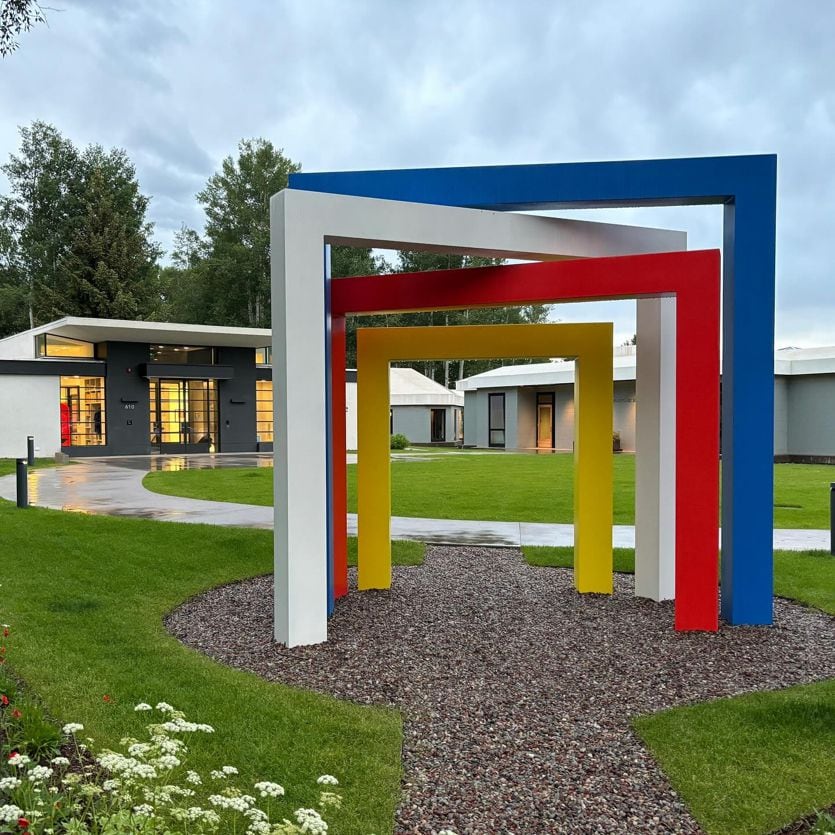
Paepcke, moreover, called upon major Bauhaus exponents to create his campus in the mountains, such as Herbert Bayer, who also designed the city's leaf-shaped logo, while Eero Saarinen designed the classical music concert tent a few years before designing the famous Twa terminal at Jfk in New York. The last of Bayer's projects, the 1973 Boettcher Building, has recently been restored, thanks in part to funds from the Bezos Family Foundation (Jeff Bezos is an Aspen regular), which two years ago contributed an impressive $187.5 million to establish the Center for Rising Generations.