

Heart: minimally invasive procedures, AI and personalised medicine are making headway in cardiovascular care
Technological advances are radically transforming the therapeutic landscape, making it possible to treat increasingly complex, frail and elderly patients with levels of safety and efficacy that were unthinkable just a few years ago

Key points
- AI, personalisation and predictive medicine
- Focus on prevention
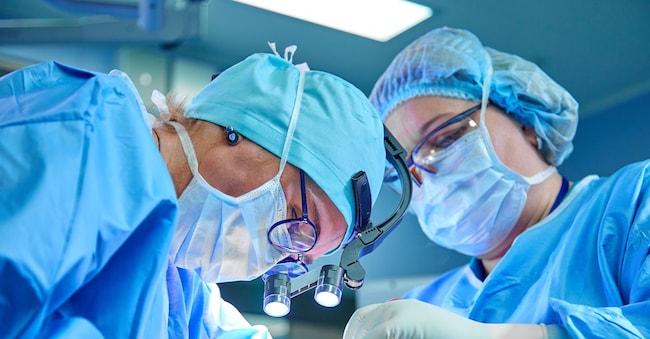
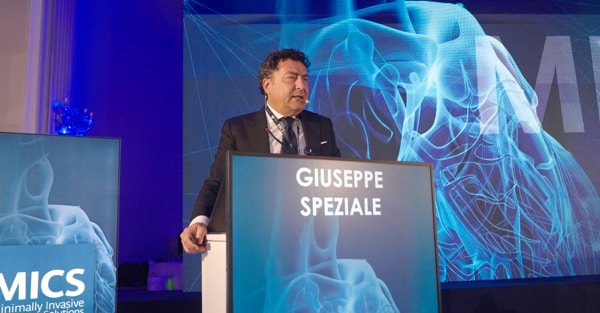
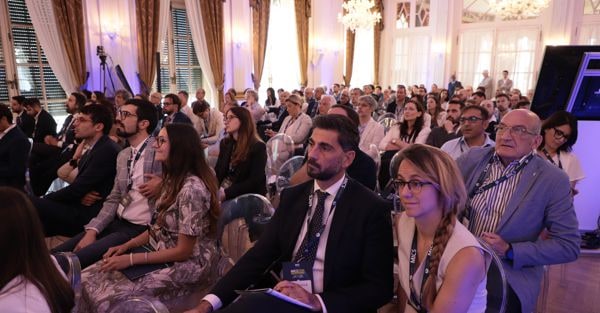
The new frontiers in mitral, aortic and tricuspid valve surgery; developments in TAVI and MitraClip procedures; and hybrid approaches combining cardiac surgery and interventional cardiology. And also the use of robotic technologies, intraoperative three-dimensional echocardiography and emerging applications of artificial intelligence in diagnosis, treatment planning and patient monitoring. Three days of scientific discussion have just concluded, bringing together over 650 cardiac surgeons, clinical and interventional cardiologists, anaesthetists, perfusionists, imaging experts and cardiovascular professionals from 10 countries worldwide for the ninth edition of MICS – Minimally Invasive and Catheter Solutions, the international congress promoted by the Mitral Academy with the support of GVM Care & Research and UER – European University of Rome. “From the discussions that have taken place over the last few days, it is clear that we are experiencing a genuine revolution in the treatment of cardiovascular diseases,” explains Professor Giuseppe Speziale, president of MICS 2026 and vice-president of GVM Care & Research. “Minimally invasive and transcatheter procedures are radically changing the therapeutic paradigm, making it possible to treat increasingly complex, frail and elderly patients with levels of safety and efficacy that were unthinkable just a few years ago. But the real challenge will be to integrate innovation, expertise and organisation to build a truly predictive, personalised and sustainable form of medicine.”
AI, personalisation and predictive medicine
During the session dedicated to the Care Revolution, a new feature of the 2026 edition of MICS, the changes set to transform healthcare systems in the coming years were discussed: from the intelligent management of clinical data to predictive medicine, from artificial intelligence as a tool for optimising organisational processes to the personalisation of care, from the role of communication and marketing in building a therapeutic alliance with the patient to new models of leadership and the organisation of multidisciplinary teams. “We are living in an extraordinary era, probably the most extraordinary in the history of medicine: minimally invasive surgery, artificial intelligence, predictive medicine and increasingly personalised treatment pathways are profoundly transforming the way we prevent, diagnose and treat diseases,” emphasises Speziale. Yet, just as medicine reaches unprecedented levels of excellence, it is becoming increasingly difficult to navigate innovation, technologies, healthcare organisations and new models of care. From this reflection comes Care Revolution: a podcast dedicated not only to health and medicine, but also to the major issues that are redefining their future: prevention, leadership, mentorship, healthcare management, digital health, artificial intelligence, hospital organisation, patient experience, the humanisation of care, innovation and the governance of healthcare systems. Because health does not depend solely on clinical expertise or the most advanced technologies. It also depends on the ability to build better organisations, train new generations of professionals, drive change and always put the person at the centre.”
Collaboration between research, universities, institutions and industry
Considerable time was devoted to the discussion of complex clinical cases, live-in-box sessions – featuring commentary on recorded surgical procedures – multidisciplinary Heart Team sessions, and the analysis of the latest scientific evidence, with a particular focus on patient selection, clinical outcomes and the sustainability of innovative treatment pathways. Topics explored in depth included new strategies for valve repair and replacement, hybrid procedures, robot-assisted surgery, the management of arrhythmias, and emerging applications of digital technologies and artificial intelligence in the treatment of cardiovascular diseases. MICS 2026 also reaffirmed the importance of collaboration between research, universities, institutions and industry to accelerate the transfer of innovations into clinical practice and ensure patients have ever-faster access to the most advanced technologies.
Italia on the international stage
On the global cardiovascular scene, as highlighted by various international experts, Italia plays a leading role. This recognition confirms the value of clinical research, specialist training and the capacity for innovation developed in recent years by national centres of excellence. ‘This edition of MICS is perhaps the most comprehensive yet, as it has, for the first time, also involved new specialisms, such as anaesthesiology, and addressed new topics. The success of this edition confirms that cardiac surgery is undergoing a phase of profound transformation, driven by technological innovation but above all by the ability to integrate different skills into an increasingly personalised and patient-centred approach,” emphasised Speziale, who believes that “looking to the future means starting from the awareness that no professional can act alone. Only through organisation and cultural exchange is it possible to navigate the paradigm shift that is already underway. The real revolution today is not merely treating diseases better, but learning to care for people better.”
Focus on prevention
Alongside the scientific programme, the prevention initiative organised on Naples’ seafront promenade using GVM Care & Research: during the congress, hundreds of citizens were able to access free cardiac screening, electrocardiograms (ECGs), cardiology consultations and lipid profile tests with specialists from the Montevergine Clinic in Mercogliano.

