

More than seven out of ten babies are breastfed, but by the age of 4–5 months this figure drops to 39 per cent
The Italian Society of Neonatology emphasises the importance of supporting mothers and families, and of good care practices in neonatal and obstetrics units

Key points
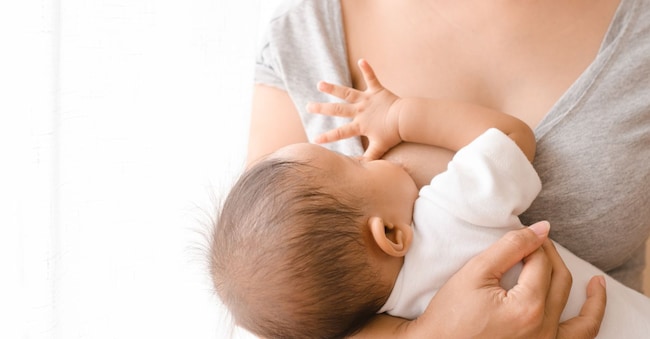
Breast milk is the ideal source of nutrition for a baby from the very first hours of life, and breastfeeding is the best way to feed a baby. It is a practice that should be promoted and supported because of the benefits it brings to the newborn’s immune system, to the development of the mother-baby bond, and to the woman herself, reducing her risk of developing breast or ovarian cancer and osteoporosis in later life.
In Italia in 2025, healthy, full-term newborns who were exclusively breastfed accounted for 71 per cent of all births (Source: SIN’s Corporate Breastfeeding Policy Project – PAA). Two to three months after discharge, this figure drops to 48 per cent, and to 39 per cent at four to five months (Source: Istituto Superiore di Sanità). Furthermore, there remains a significant difference between Central and Northern Italy, which show higher rates than the South and the Islands. These figures demonstrate that more can be done to support mothers in their choice to breastfeed and to continue doing so over time. The data were released by the Italian Society of Neonatology (SIN), to mark World Breastfeeding Week (WBW), which is celebrated annually from 1 to 7 October, with the aim of highlighting the importance of healthcare services and the commitment of neonatologists to creating the most favourable conditions for the initiation and continuation of breastfeeding.
A matter of health
The World Health Organisation, in fact, recommends starting breastfeeding within an hour of birth, continuing exclusively for the first six months, and then continuing to breastfeed, alongside the introduction of complementary foods, until the age of two and beyond.
“Breastfeeding,” emphasises Professor Massimo Agosti, president of the SIN, “is recommended by the leading international health organisations, by the Ministry of Health and by scientific societies in the perinatal and paediatric fields, and represents an investment in the health of the mother-infant dyad, with positive effects not only clinically, but also socially, environmentally and economically.”
SIN reiterates that it is essential to put the recommendations on infant feeding into practice, even if the social and healthcare settings in which we operate are burdened by organisational and cultural challenges. “Awareness of the benefits of breastfeeding, on its own, is not enough for a mother to be able to breastfeed. She needs to be able to rely on practical and ongoing support: from her family, but also – and crucially – from healthcare professionals and services,” explains Agosti.

