
Morocco: Fatima Ezzahra El Mansouri is set to become the Kingdom’s first female prime minister
The mayor of Marrakesh has been chosen to form the new government
from our correspondent Alberto Magnani
 Aggiungi Il Sole 24 Ore
ai preferiti su Google
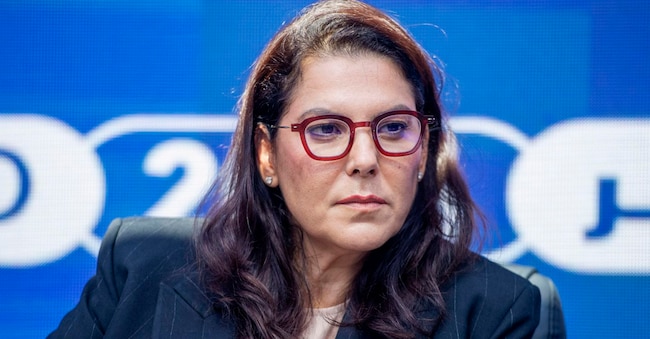
NAIROBI – King Mohammed VI of Morocco has appointed Fatima Ezzahra El Mansouri, 50, mayor of Marrakesh and Minister for National Planning and Urban Development in the outgoing government in Rabat, as Prime Minister. She is the first woman to hold the post in the history of the North African kingdom and will be tasked with the dual role of forming and leading the government following the general election on 23 September. Since 2024, El Mansouri has led the Parti Authenticité et Modernité (PAM), the centrist, pro-monarchy party that won the elections with 97 seats and will need to form a coalition to secure the 198 seats required for a majority in the Lower House in Rabat. The expectation is that the alliance, which has been in power since 2021, will undergo a reshuffle, with the PAM itself joining forces with the conservative liberals of the Rassemblement National des Indépendants (RNI) (down from 102 to 66 seats) and the conservatives of Istiqlal (from 81 to 65 seats).
Overtaking the favourite, Lekjaa
El Mansouri, a lawyer who studied at university in France, will succeed RNI Prime Minister Aziz Akhannouch and has ousted the pre-election favourite in the race for the top job: Fouzi Lekjaa, head of the Moroccan Football Federation and a key figure in the organisation of the 2030 FIFA World Cup alongside Spain and Portugal. Morocco, with a population of less than 40 million, is approaching the end-of-decade deadline against a backdrop that is precariously balanced between announcements of billion-dollar investments in the event, robust growth and the internal fragilities of a country crippled by an estimated 37 per cent unemployment rate, inadequate wages and internal tensions. The frustration of the younger generations culminated in the Gen Z protests of 2025 and was reflected in the Ceuta crisis, with the exodus of tens of thousands of people fleeing across the border into the Spanish exclave. The parliamentary elections on 23 September were marked by record-low turnout and a resurgence of the moderate Islamists of the Justice and Development Party – two further indications of disaffection with the political class and the urgent need for a clear change at the top.
The ‘symbolic’ significance of the appointment
El Mansouri’s appointment “certainly carries strong symbolic significance; it sends a message of change and renewal”, explains Riccardo Fabiani of the International Crisis Group. In Morocco, the powers of the executive are limited compared with those of the monarch and his entourage, but the government led by El Mansouri will nevertheless have to grapple with the legacy of the past five years and provide solutions to pressing issues such as access to public services, wages, inflation and the disconnect between record macroeconomic growth and the discontent of the younger generations. ‘It is an appointment that seeks to address all of this,’ says Fabiani, ‘without, however, changing the overall picture.’


