Digital Economy

Mukherjee (Shazam): 'AI will change everything, but vision and patience are needed'

The co-founder of Shazam: 'As happened with the Internet, artificial intelligence will experience consolidations, crises and revivals. But it is a revolution that is destined to last. The real leap? It will come from quantum computing and personalised health'.

by Luca Tremolada

5' min read

Translated by AI
Versione italiana

5' min read

Translated by AI
Versione italiana

Twenty-two years ago Shazam was born, someone remembers it well because it was the first music recognition app that was able to recognise the title and author of a song within seconds simply by listening to a fragment of it. It was a revolution at the time. Since then, its co-founder Dhiraj Mukherjee, after selling the brand to Apple for an estimated $400 million, has invested in over 250 start-ups, including artificial intelligence, climate technology and sustainability initiatives such as OpenAI and Dandelion Energy. In some ways, the entrepreneur, who will give a lecture today in Milan at the Assolombarda assembly, anticipated and predicted the generalist general intelligence revolution.

«Le trasformazioni da allora sono state drammatiche – racconta al Sole 24 Ore –. Quando abbiamo fondato Shazam, Internet come lo conosciamo oggi aveva solo cinque o sei anni. Le persone usavano ancora connessioni dial-up, lente, macchinose e frustranti. I telefoni cellulari stavano appena iniziando a comparire e l’idea di uno smartphone non era neanche all’orizzonte. Da allora, la tecnologia stessa ha fatto un balzo in avanti, anche l’ambiente dei finanziamenti è cambiato enormemente. Nel 2000, gli angel investor erano rari, l’industria del venture capital era piccola e la maggior parte degli investitori proveniva da contesti bancari tradizionali. Oggi, abbiamo diverse generazioni di imprenditori che sono diventati a loro volta investitori, finanziando la prossima ondata di startup. Allo stesso tempo, i governi, in particolare quello del Regno Unito, hanno compiuto sforzi deliberati per incoraggiare e sostenere l’imprenditorialità. Ecco perché sono incoraggiato quando vedo associazioni che r

Loading...

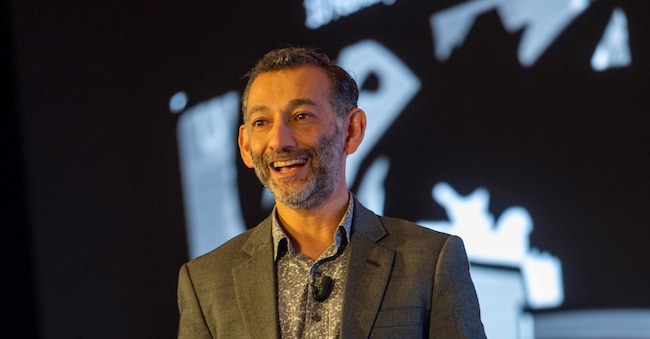
Dhiraj Mukherjee invented Shazam at a time when smartphones did not yet exist. Today, artificial intelligence is at the centre of both enthusiasm and scepticism. So much so that even recently, numerous Big Tech companies have been sounding the alarm about the risk of a potential financial bubble, as in the 1990s.

«L’intelligenza artificiale è con noi da molto tempo – osserva l’imprenditore e speaker internazionale – risale alla Conferenza di Dartmouth negli anni ’50. Quello che stiamo vivendo ora è un altro dei suoi momenti di svolta, e credo che l’AI rimarrà con noi per tutta la nostra vita. Allo stesso tempo, i mercati finanziari tendono a farsi prendere la mano. Come con ogni grande tecnologia, l’hype crea bolle. È probabile che a un certo punto assisteremo a una correzione, forse anche a un crollo. E quando ciò accadrà, gli scettici diranno: “Ve l’avevo detto”. Ma nel lungo periodo, la tecnologia stessa continuerà ad evolversi. L’AI continuerà a diventare più potente, più utile e più strettamente adattata alle esigenze umane. Quindi sì, sarà un giro sulle montagne russe, con alti e bassi. Ma è un giro che vale la pena fare, perché alla fine questa tecnologia ha il potenziale per avere un impatto profondo sulle nostre vite, sulle nostre attività commerciali e sulla società ne

However, some observers say that most AI start-ups will not survive and that only a handful of players will dominate the space. "I think there will definitely be some consolidation, very similar to what we saw in the early days of the Internet. Back then, there were a dozen or more search engines - Ask Jeeves, AltaVista, Lycos and others - before the market narrowed down to a few dominant players.

I expect something similar with AI. Some areas will consolidate, but at the same time the industry will fragment into different domains. In those domains, new players will emerge, and some of them will become leaders. Along the way, there will be ups and downs, and of course some casualties: this is normal in entrepreneurship.

What is important is that consolidation does not mean the end of innovation. Start-ups will continue to find opportunities, often linking this powerful technology to the existing economy, in sectors such as manufacturing, healthcare or global supply chains.

The key is not to get caught up in the short-term turmoil, but to recognise the long-term opportunities, the bigger picture, that will continue to emerge'.

The question, however, is how long the long run will be. Because many entrepreneurs and business leaders in Europe struggle to make generative AI and AI agents profitable in their organisations.

"You have to be prepared to be in the game for the long haul. If the expectation is quick profits, disappointment is almost inevitable. From my experience as an entrepreneur and investor, I have learnt that innovation does not follow short cycles. There is a saying I like a lot: sometimes you win, and sometimes you learn. Not every experiment is successful, but every attempt provides lessons that move you forward.

Start-ups don't think in terms of three-month pilot projects, they build companies and products designed to last. This is the mindset that I believe business leaders should adopt as well. Instead of asking, "What can we achieve in one quarter?" the focus should be on "What can we build over the years to truly integrate these capabilities?"

This means investing in the fundamentals: attracting the right talent, encouraging curiosity, creating a culture that is willing to take risks and experiment. These qualities cannot be measured on short-term profit horizons, but they are exactly what enables organisations to capture the long-term value of generative AI.

The last question is the most difficult of all. Even for those who, like the founder of Shazam, have invested in over 250 start-ups across AI, climate technology and beyond. Where will be the next big tipping point for technology-driven change?

"In the past two years, AI and generative AI have dominated the headlines, but I believe the next big breakthrough will come from quantum computing.

We are approaching a point of no return. It could happen by the end of this year, next year, or maybe in a few years, but when it comes, it will completely revolutionise computing as we know it. A clear example is security: work is already being done on post-quantum cryptography, because existing security and encryption systems will be fundamentally reshaped by quantum capabilities.

Another area that I am very excited about is personalised health. Right now, there is a huge momentum around wellness, but the real transformation will come when healthcare is personalised for each of us as individuals. Wearable devices are generating more and more data about our bodies. At the same time, health data has been collected for decades but often underutilised. With AI's ability to process this vast information, we will see radically new opportunities to extend not only our life expectancy, but also our active health (healthspan), the years in which we remain healthy and active."

Copyright reserved ©
  • Luca Tremolada

    Luca TremoladaGiornalista

    Luogo: Milano via Monte Rosa 91

    Lingue parlate: Inglese, Francese

    Argomenti: Tecnologia, scienza, finanza, startup, dati

    Premi: Premio Gabriele Lanfredini sull’informazione; Premio giornalistico State Street, categoria "Innovation"; DStars 2019, categoria journalism

Loading...

Brand connect

Loading...

Newsletter

Notizie e approfondimenti sugli avvenimenti politici, economici e finanziari.

Iscriviti