
Doctor, is it true that

Is muscle loss a problem for all older people?

The team of doctors and fact-checking experts from the National Medical Association addresses the main health concerns

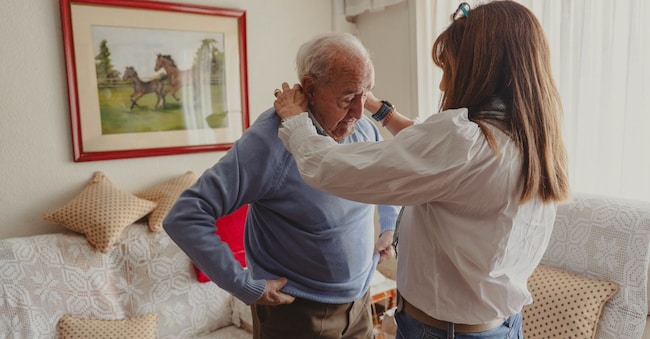
Woman assisting her elderly dad getting dressed in his living room Luis - stock.adobe.com

4' min read

Translated by AI
Versione italiana

4' min read

Translated by AI
Versione italiana

As we age, our muscles weaken; this is a natural process, but it can become chronic and debilitating. In such cases, it may be sarcopenia, a silent and often overlooked condition. In fact, it is estimated that in Italia alone, at least nine million people – not just the elderly – suffer from it without realising it. Whilst diagnosing this condition is not always easy or straightforward, it is nevertheless essential to recognise its early symptoms. What are the warning signs that should not be overlooked, and how can it be prevented?

Why is muscle loss a cause for concern?

Losing muscle mass is a physiological process that affects everyone, men and women alike, and which occurs as we age. It is a progressive phenomenon that manifests itself in different ways and at different rates: it depends on lifestyle, state of health and hormonal changes. Muscle mass begins to decline as early as between the ages of 30 and 40, but after the age of 65 the rate accelerates as certain bodily functions change; for example, the metabolism slows down and people are more prone to weight gain and a loss of bone strength.

Loading...

The consequences of this muscle weakness include a loss of independence and an increased risk of frailty, which in old age can lead to disability and conditions affecting many organs. This decline can be countered by addressing modifiable factors, such as physical activity, diet and monitoring one’s health, thereby preventing the loss of muscle strength and function from developing into sarcopenia.

What is sarcopenia?

Sarcopenia is a muscle disorder characterised by a gradual reduction in both muscle mass and strength and, consequently, in functional ability – that is, the ability to carry out daily activities independently and safely. In most cases, it is simply linked to the ageing process. As its symptoms vary greatly from person to person, it is not always easy to identify it at an early stage.

This condition often manifests when a person’s health is already compromised in several ways, presenting a wide variety of symptoms. These include: muscle weakness; loss of stamina and balance; difficulty walking at a brisk pace or climbing stairs; and a reduction in muscle size (muscle atrophy).

These conditions gradually impair mobility and the ability to carry out simple tasks independently; they also increase the risk of falls, injuries and fractures. In the most severe cases, there is a risk of disability and an increased mortality rate.

What causes sarcopenia?

Sarcopenia may be linked solely to age (primary form) or may result from one or more medical conditions. In this case – that is, in secondary sarcopenia – lifestyle factors from adolescence onwards play a key role. In particular, a sedentary lifestyle, an unbalanced diet, chronic illnesses and certain medicines are harmful.

Other syndromes may include sarcopenia as part of the clinical picture or overlap with it: cachexia: loss of muscle mass caused by cancer, heart disease, respiratory or kidney diseases; frailty (understood as a geriatric syndrome): characterised by unintentional weight loss, weakness, reduced mobility and psychological and social difficulties; sarcopenic obesity: a condition, which can also affect young people, in which lean body mass decreases whilst fat mass increases.

Furthermore, people suffering from muscle weakness are at risk of osteoporosis and are more prone to dysphagia. The latter warrants particular attention: sarcopenia also weakens the muscles involved in swallowing, making it difficult to eat properly; this leads to a reduced intake of protein and calories, which in turn exacerbates muscle loss. This is a vicious circle that requires early diagnosis and a multidisciplinary approach.

Who is most at risk?

Although this condition is common, it can often go undetected and undiagnosed for a long time. It is therefore advisable to consider the risk factors even before any symptoms appear.

According to the latest data, compared with the general population, the prevalence of sarcopenia is high among people with diabetes (18 per cent) and as high as 70 per cent among cancer patients. In this case, the condition also has a negative impact on treatment.

Generally speaking, it mainly affects long-term patients and elderly people in care homes: hospitalisation accelerates the loss of muscle mass and strength.

Can muscle loss be prevented?

International guidelines suggest – albeit on the basis of as yet limited evidence – that people over the age of 65 should undergo screening for sarcopenia every year. There are, in fact, specific tests to measure muscle strength and the ability to walk, move and grip, as well as X-ray examinations to assess muscle mass and bone health.

In the event of early diagnosis (i.e. when symptoms are mild and infrequent) and in people at risk, steps can be taken to slow down muscle decline. Your doctor may therefore recommend a specific diet and exercise programme and, in some cases, drug therapy or rehabilitation exercises, when certain functions are already impaired. It should be noted that international guidelines do not recommend vitamin D supplementation as a specific treatment for sarcopenia, due to a lack of evidence (we had already pointed this out in the factsheet ‘Vitamin D helps prevent fractures’).

As far as diet is concerned, the same guidelines suggest considering an adequate protein intake or protein supplementation, to be determined on a case-by-case basis with your doctor.

Read the full article on the dottoremaeveroche website, run by Fnomceo

Copyright reserved ©
Loading...

Brand connect

Loading...

Newsletter

Notizie e approfondimenti sugli avvenimenti politici, economici e finanziari.

Iscriviti