
Space: NATO plays the ‘Starlift’ card with its military satellites. Italia is also involved
Through Starlift, the European Allies and Canada are taking on greater responsibility for shared security in space, strengthening Allied capabilities, transatlantic cooperation, as well as deterrence and defence. Space became an operational domain for NATO in 2019

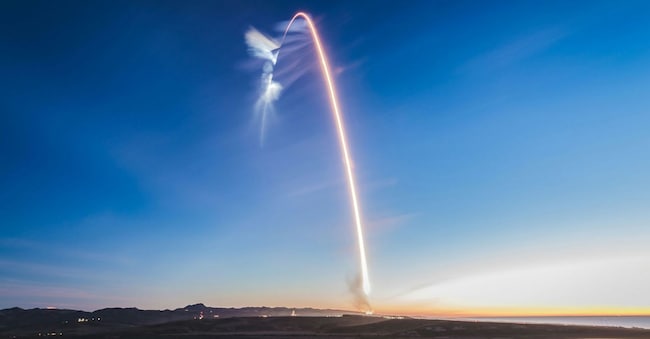
At the NATO Edge 26 conference held in Izmir, Turkey, NATO announced the multinational space initiative “Starlift”, aimed at ensuring the launch of satellites for military purposes. “Ensuring reliable access to space is essential for military operations such as communications, navigation, intelligence and early warning,” reads a statement from the North Atlantic Alliance. The aim is to ensure that NATO has the capability to rapidly launch satellites or payloads into orbit in the event of a crisis or conflict.
In practice, the idea is to create a sort of ‘airlift to space’: just as strategic transport is used to move vehicles and materials quickly, Starlift should make it possible to place satellites into orbit at short notice for communications, surveillance, navigation and intelligence purposes, or to replace damaged satellites.
Initiative also funded by Italia
Ten allied countries (Belgium, Canada, Finland, Germany, Italia, the Netherlands, Norway, Sweden, Turkey, the United Kingdom) and the Republic of Korea have committed to funding the initiative, through the NATO Support and Procurement Agency (NSPA), during the signing ceremony held on the sidelines of a meeting of national armaments directors on 29 October.
Currently in development since 2024, Starlift aims to help participating countries ‘collaborate with commercial launch providers and spaceports to make access to space more resilient, responsive and cost-effective’. Starlift will provide military users with a launch service that will help secure slots on commercial rockets and will draw on a network of spaceports located across the Alliance and in the Republic of Korea.
It will also serve as a forum for the development and testing of concepts for responsive space operations, including the urgent launch of satellites. The tests – the text continues – and experimentation will help to improve the Allies’ launch infrastructure and logistics, whilst promoting the sharing of best practice in the space sector. Air and maritime traffic management will enhance the safety of launches, both routine and at short notice. The pooling of demand and the coordination of requirements will improve access to launch services and support investment in the sector.

