
New nuclear power: after the first approval of the enabling act, here are the next steps
The government aims to issue the implementing decrees by Christmas once Parliament has given the green light to the Ddl
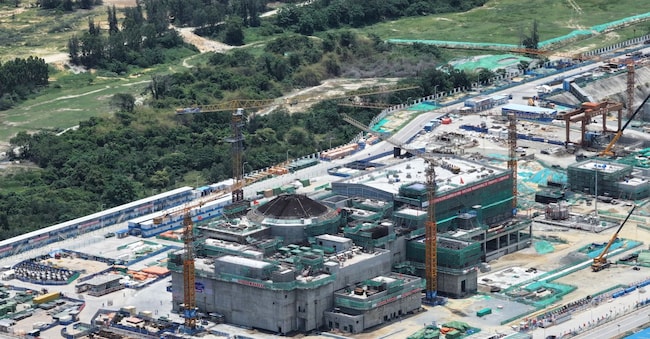
A first milestone has been reached with the Chamber of Deputies' first-reading approval of the draft proxy law on the new nuclear power plant signed by Environment and Energy Security Minister Gilberto Pichetto Fratin. But the measure's process is only just beginning since the text, after the yes vote in Montecitorio, will now have to go through the Senate. The timeframe for closing the loop has been repeatedly reiterated by the government: the goal is to reach approval in both branches of parliament by the summer recess. The work of the Chambers should be concluded, barring last-minute changes, in the first ten days of August and then resume in early September.
There are, therefore, still almost two months to go to complete the process and secure the green light for the Ddl which, as is well known, contains the regulatory framework to facilitate the start-up of the new nuclear power plant in Italy and proceed with the dismantling of the old power plants. Minister Pichetto Fratin reiterated yesterday that the government expects to issue the implementing decrees by Christmas. But which and how many will they be?
The implementing decrees
The answer is contained in the Bill itself, which defines, in Article 2, the object of the legislative delegation, but it must be said that it will be the work of setting up the implementation phase that will determine which and how many decrees will be adopted within 12 months from the date of entry into force of the law, which in any case refers, in Article 1, to the possibility of proceeding to a unitary codification. Several options remain open, therefore, but the way forward will be the result of evaluation once Parliament has given the green light to the delegation.
The highlights
As mentioned above, Article 2 of the provision lists a series of matters that will have to be regulated, but there are certainly some key elements that will have to be carefully developed, starting with the authorisation process, the general coordinates of which are set out in black and white in the delegation, where it is mentioned that the authorisation issued following the experimentation, construction, installation or operation of the plants and related works 'replaces all administrative measures, authorisations, concessions, licences, authorisations and acts of consent, however named, with the exception of environmental assessment measures'.
Alongside this, then, the whole game concerning radioactive waste management will have to be detailed, as the delegation itself makes clear. And the knots will also have to be untangled concerning the definition of an Authority, on which the Bill merely emphasises the need for a reorganisation of the matter, also with a view to evaluating the establishment of an independent administrative authority for nuclear safety.


